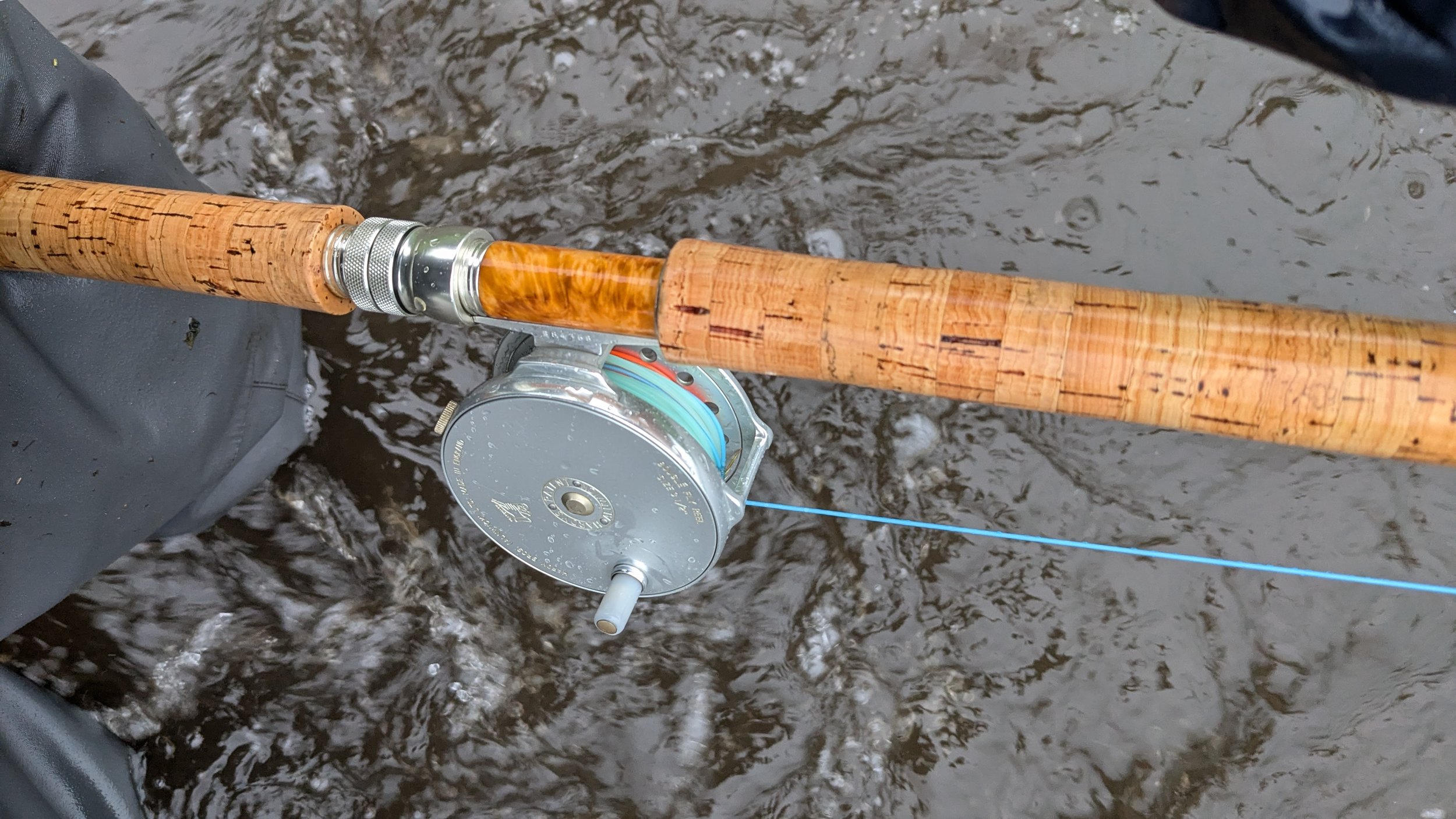
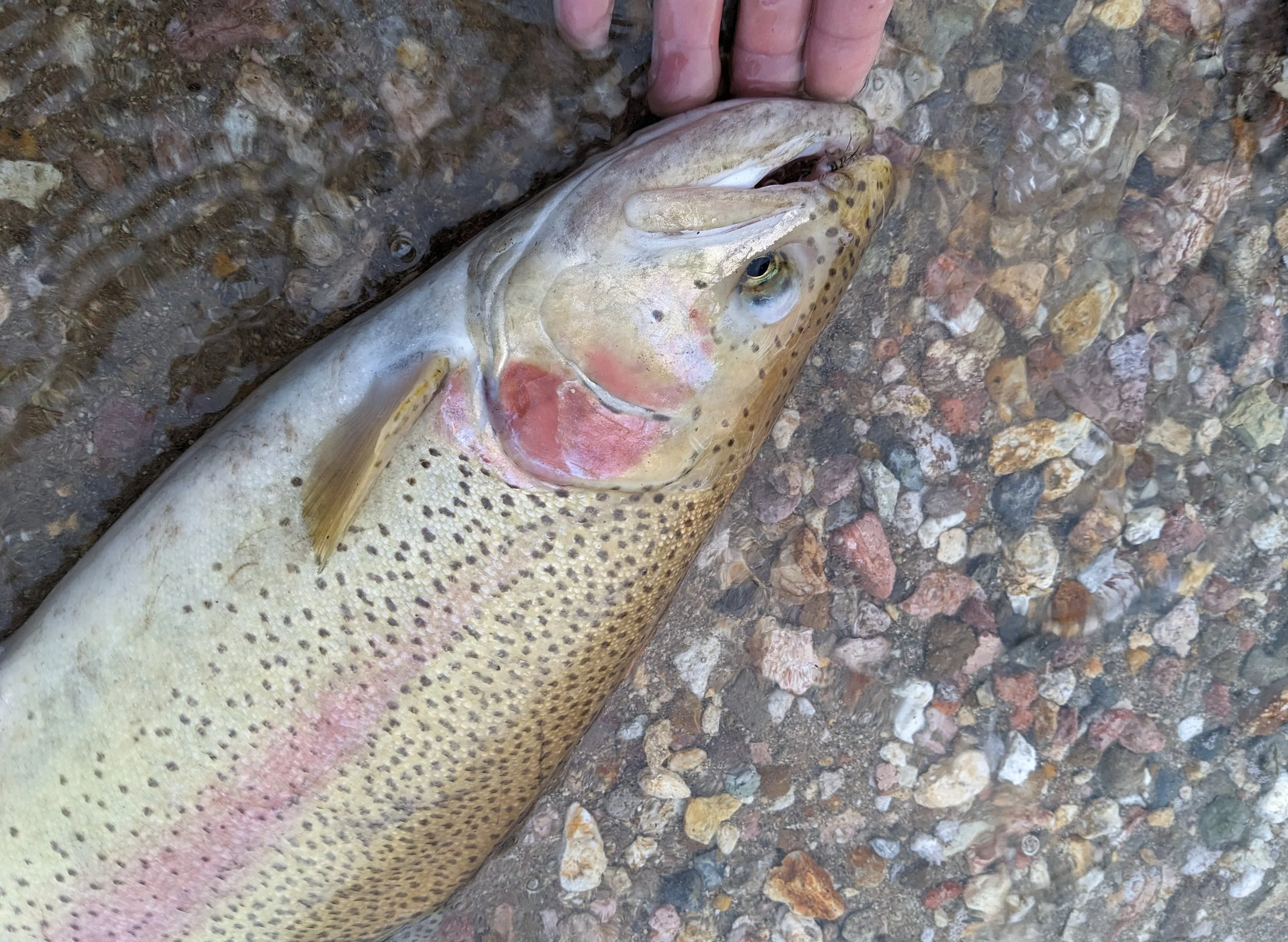
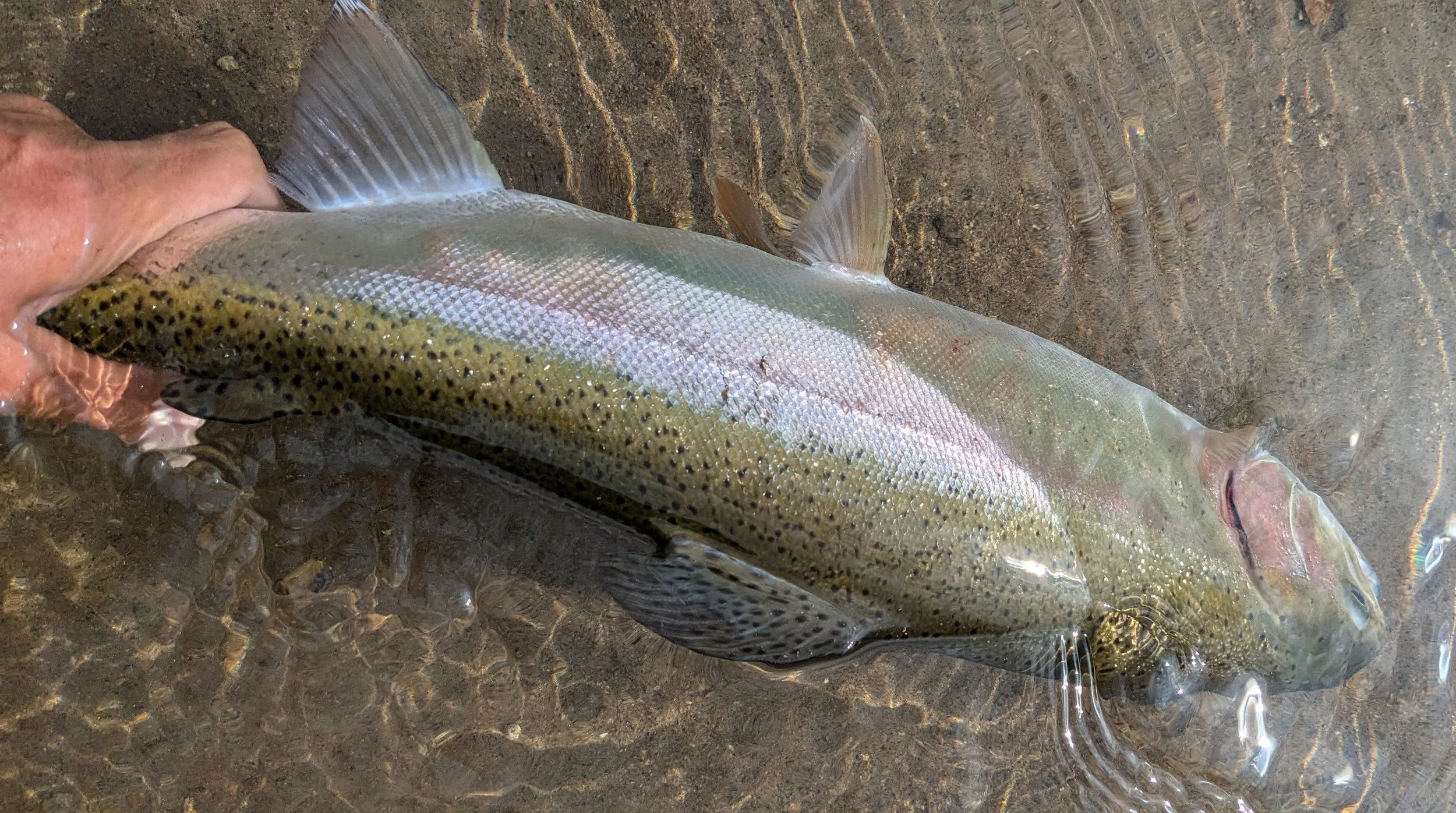
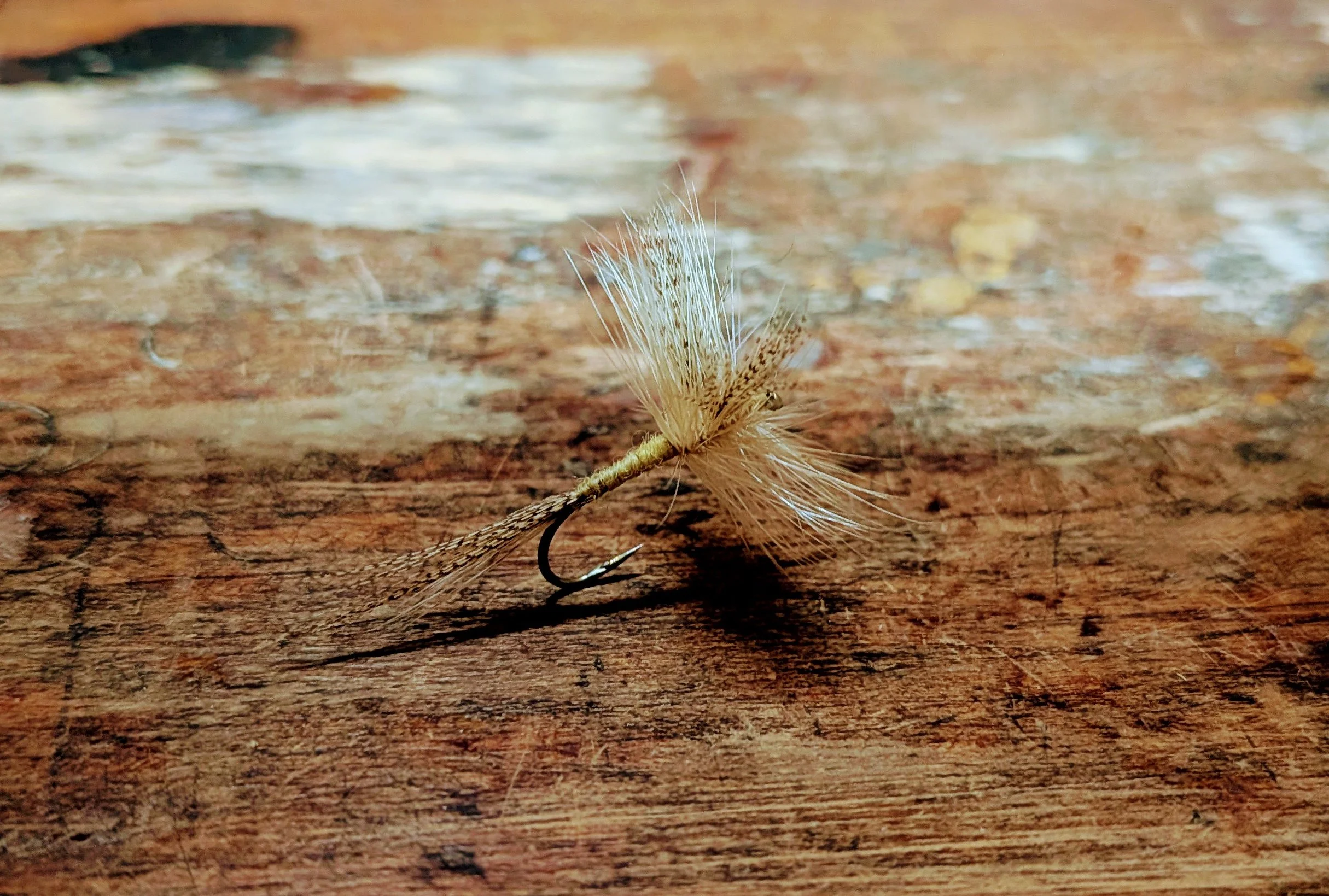
The goal is to create bamboo rods that feel natural and enjoyable for everyone—from beginners picking up a bamboo rod for the first time to experienced anglers seeking a refined casting experience.

Toward an Even More Enjoyable Casting Feel

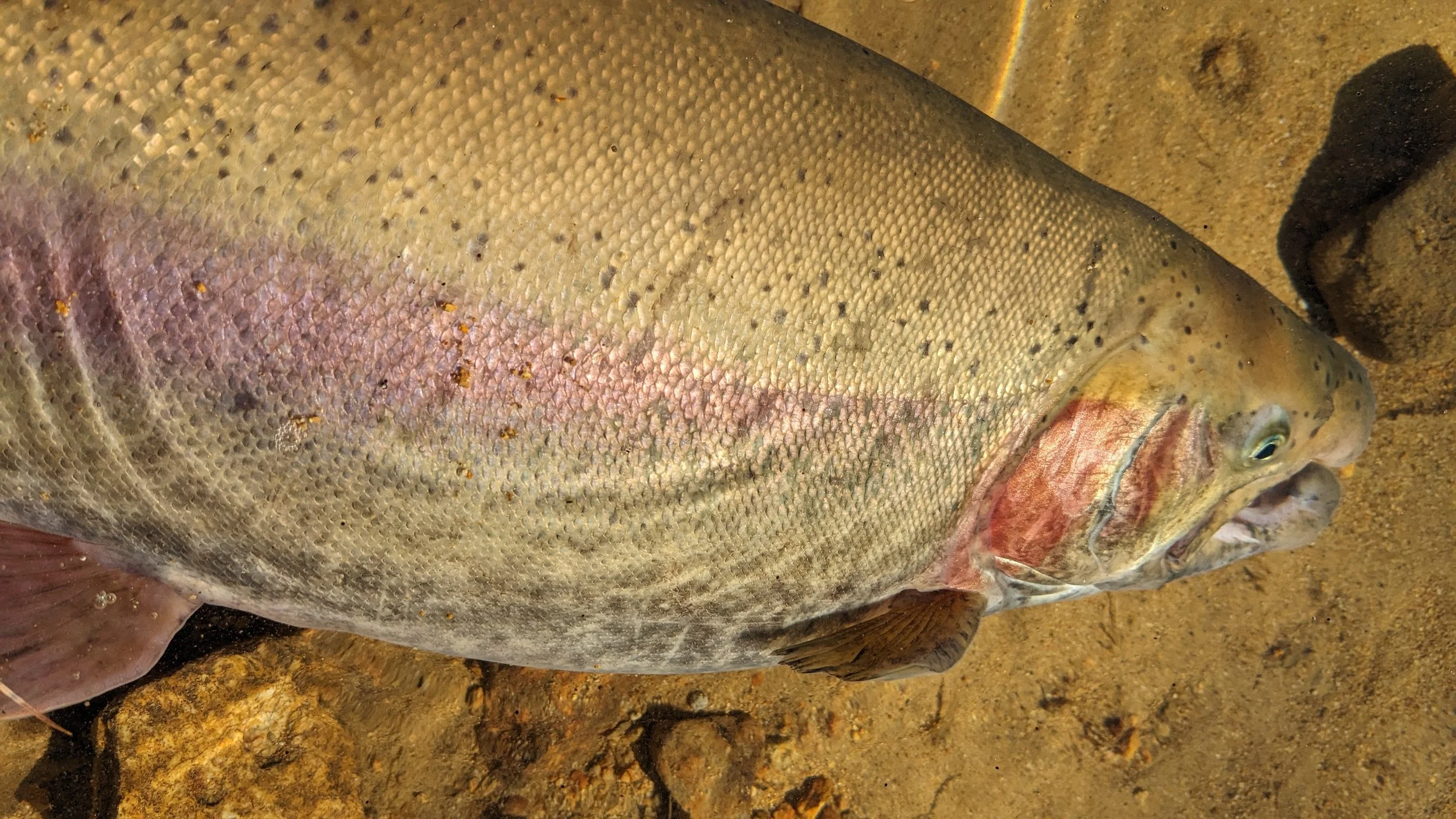
Until now, my primary goals have been strength, long-distance casting performance, and the ability to handle large trout.

From this point forward, my challenge is different: to create rods that allow anyone to cast more comfortably, more naturally, and with greater enjoyment—while remaining truly practical fishing tools.

At the center of this pursuit is not the rod itself, but the person holding it.

I want to design rods for all kinds of anglers, from beginners to experienced casters, each with their own casting style and rhythm.

The design process will undoubtedly become more difficult.

That is exactly the challenge I intend to embrace.

A Turning Point in My Design Philosophy

My approach to rod design has reached a turning point.

Until now, my focus was primarily inward—pursuing rods that satisfied my own standards as a designer.

Now, my perspective is shifting outward, toward the people who will actually fish with my rods.

How does a beginner experience the cast?

How does the rod respond when someone casts with excessive force?

How does it reward an experienced fly caster?

Can it remain comfortable to cast throughout an entire day?

These are the questions that will guide my design process from now on.

This does not mean abandoning the qualities I have pursued for years. The strength, durability, and toughness of my rods will remain at the core of every design.

My new challenge is to preserve those qualities while creating rods that offer an even more natural and enjoyable casting experience for every angler.

A well-designed rod should naturally adapt to the angler.

Unique Taper Design

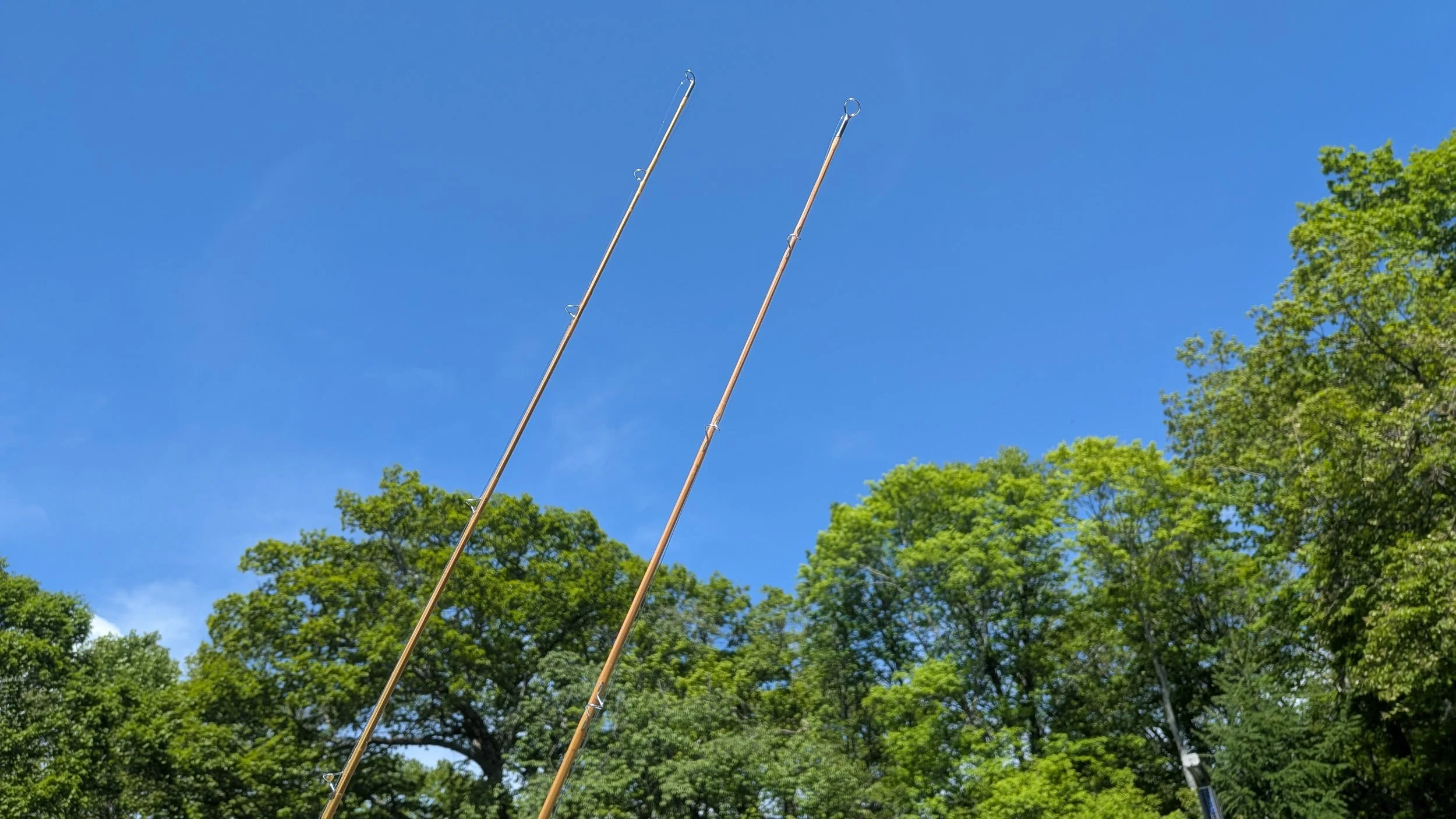
In bamboo rods, the material is crucial, but the taper design compensates for its weaknesses and maximizes its characteristics.

I have been deeply interested in this for many years and have continued to create rods based on it. More than 30 years ago, I personally translated Garrison's Master's Guide into English using a dictionary. And during my university days, when I majored in mathematics, I questioned my mathematics professor about the contents of the Master's Guide. Now, with that experience, 35 years of fishing experience, and over 25 years of practice in tournament casting distance competitions, I design rods based on that experience. The taper design is not a copy, but an original design from scratch.

Generally, traditional bamboo fishing rods had drawbacks: they were easily bent, easily broken, too soft, and difficult to handle.

This was precisely what I wanted to improve first.

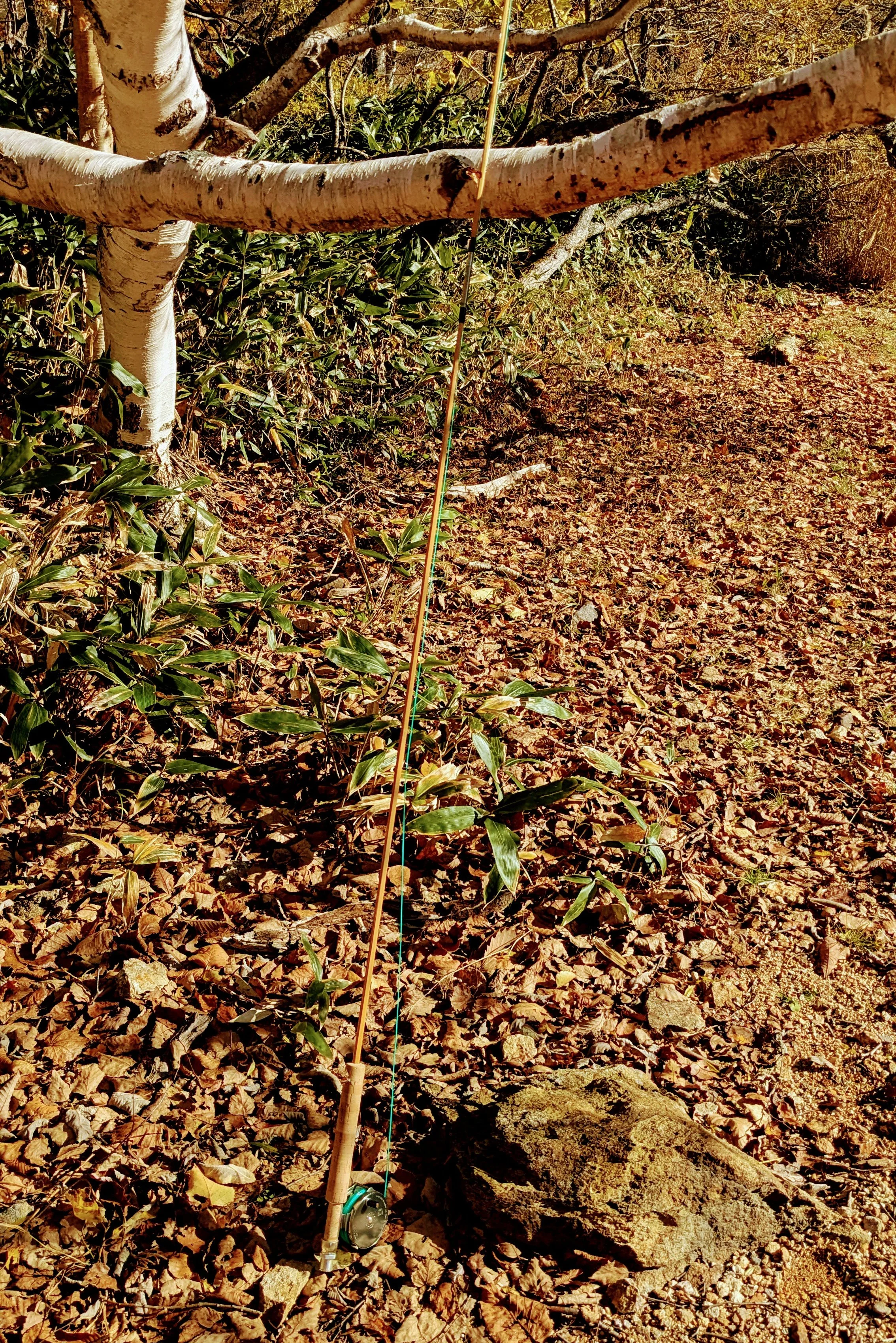
A rod that functions as a tool, is maintenance-free, and can be used for many years. And a rod that doesn't develop any strange kinks in the tip, even after catching many large fish.

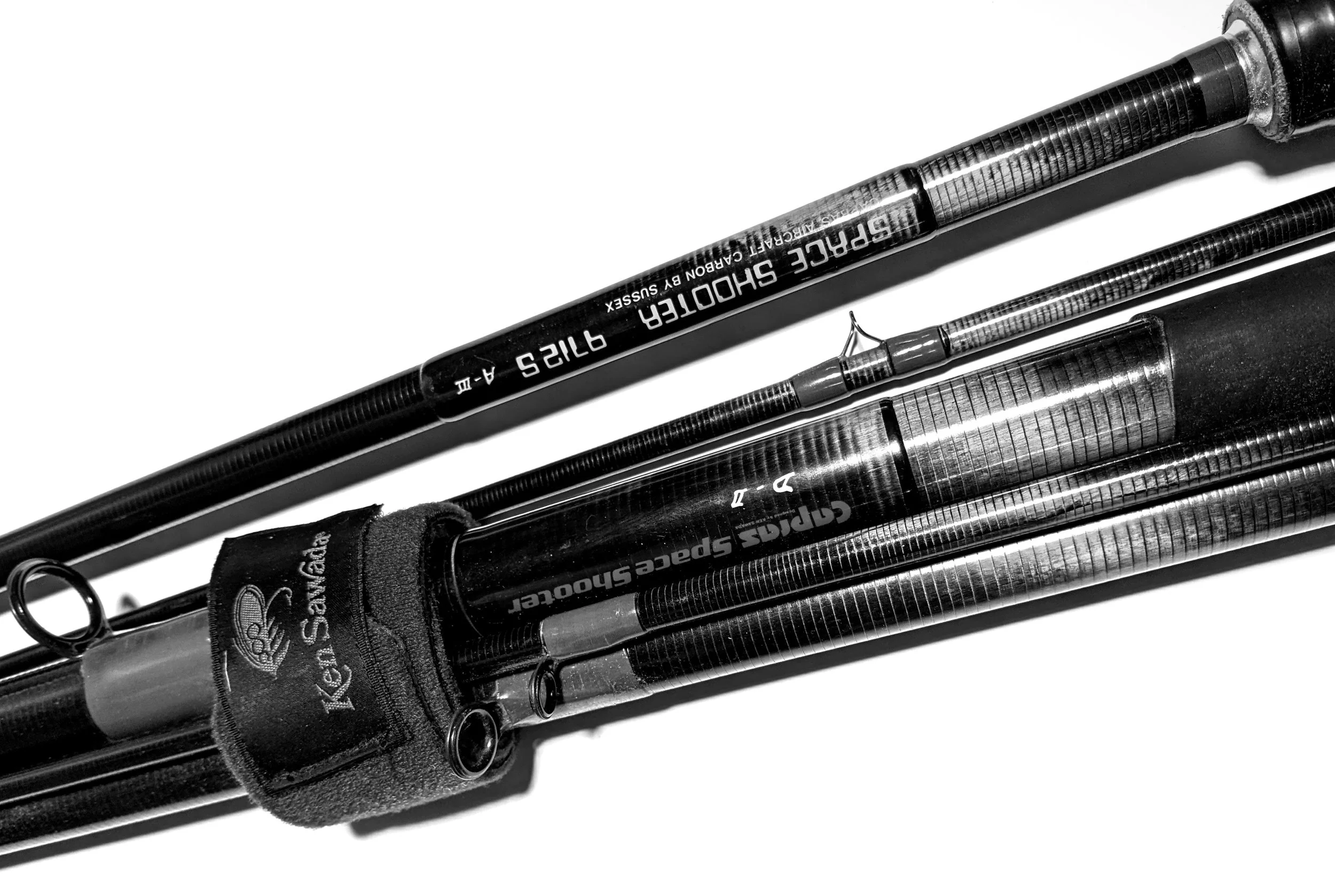
After using countless graphite rods, the last one I had left was the Capras Premiere. However, I parted with that too and started making bamboo rods. That was 19 years ago.

From now on, I would like to share my philosophy of manufacturing and design little by little.

Why bamboo?

I can answer that clearly.

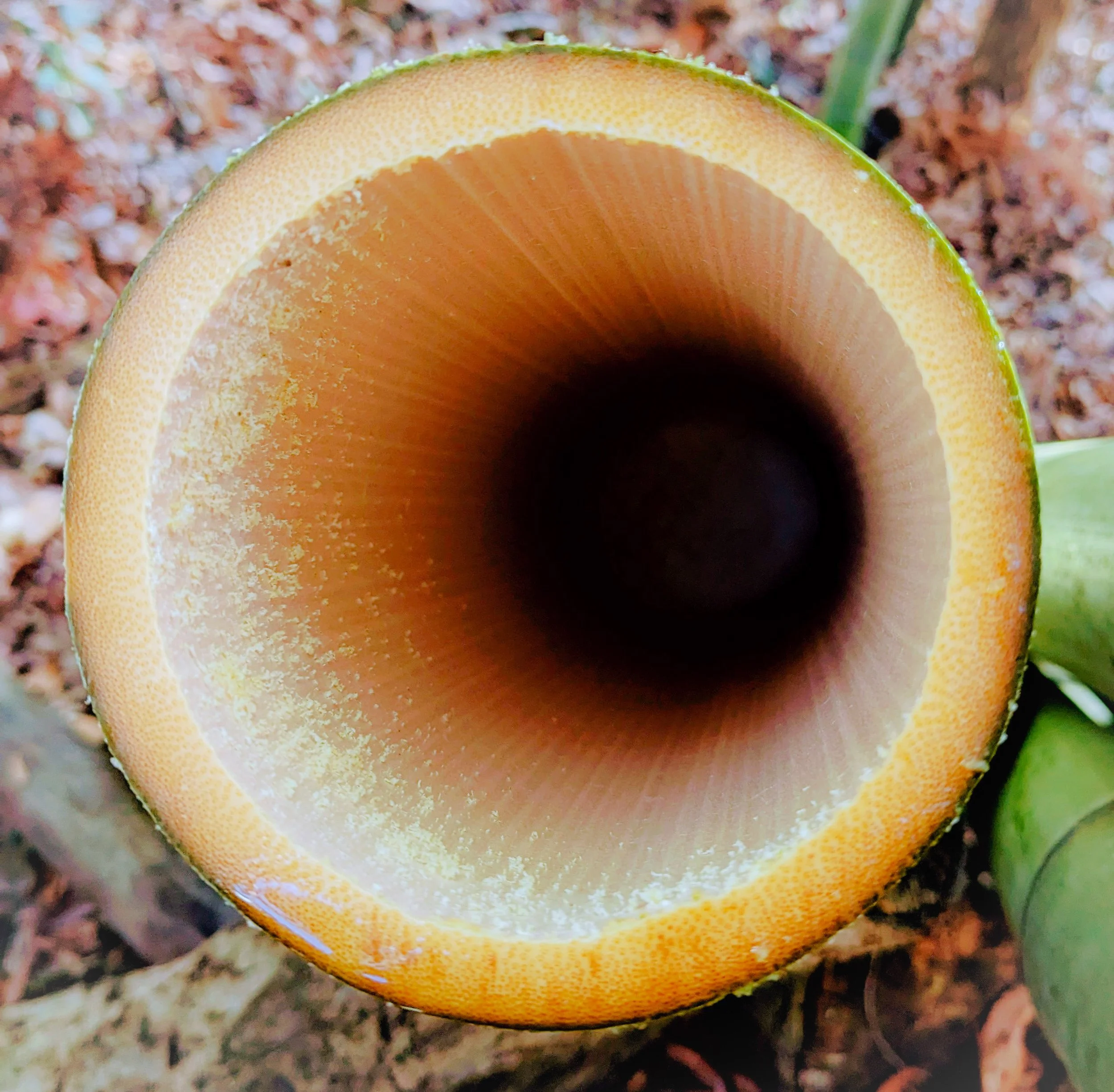
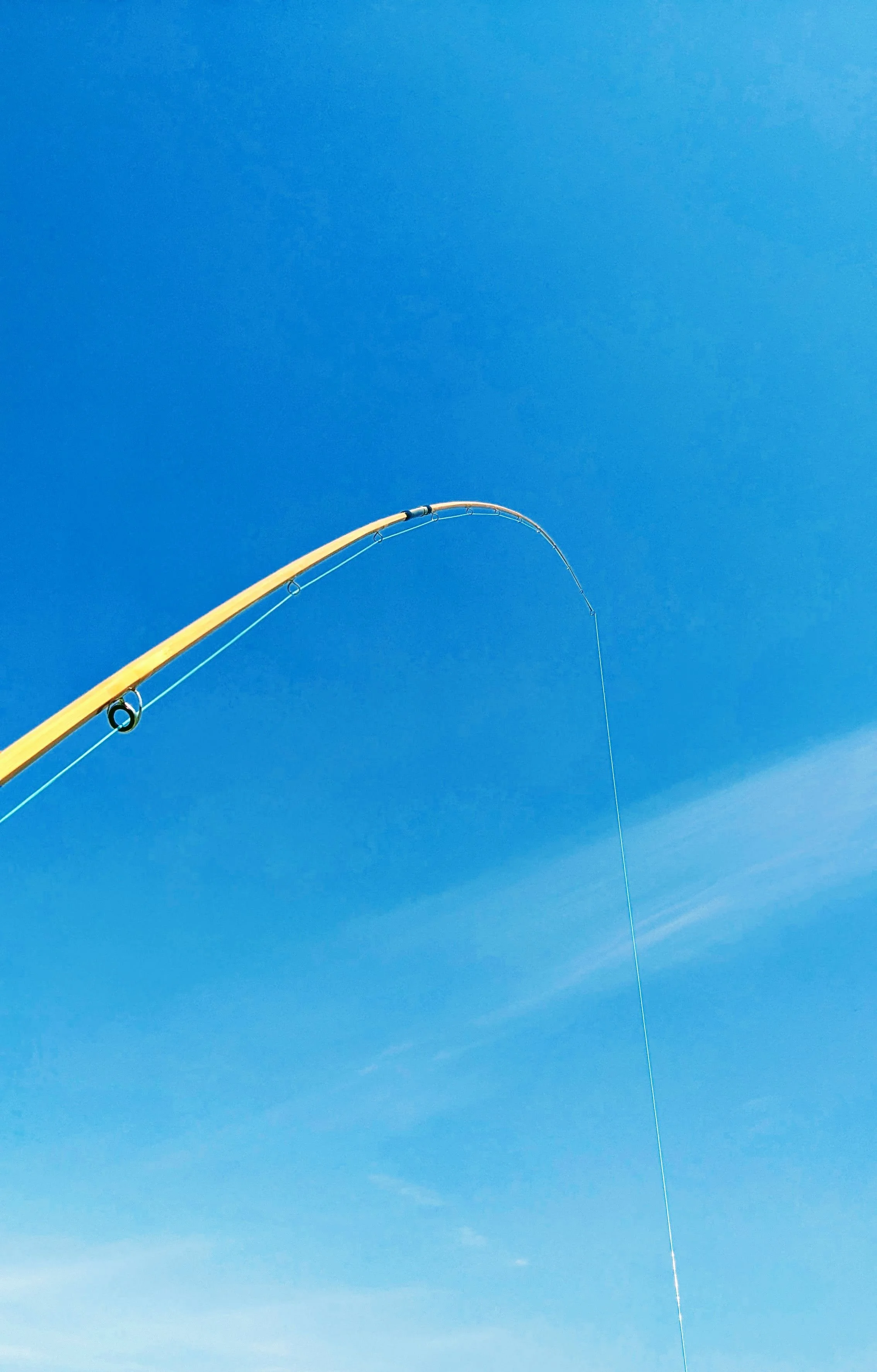
Bamboo is a natural material that offers both flexibility and strength, making it exceptionally well-suited to the natural rhythm of human movement. By applying the right taper, it becomes possible to fish with a more relaxed rhythm, leading to a superior fishing experience.

You could even say it elevates the quality of fly fishing itself.

Why this taper?

The inherent weaknesses of natural materials lie in their variability and the inconsistencies in strength unique to nature. It is no exaggeration to say that a well-designed taper reinforces these areas. Specifically, the structure consists of a tip section with appropriate thickness, a mid-section that handles the load from the tip, and a butt section that supports both. Only when these elements work together seamlessly can a rod truly be considered excellent.

Why do I continue to make these rods?

Crafting bamboo rods has been my dream since childhood.

I feel I am currently on that journey.

A major challenge in the taper design of bamboo rods lies in achieving the right balance. If the tip is made too thin, it becomes prone to developing a permanent set (bending) or snapping. Conversely, if the tip is too thick, it hinders short-range casting and makes it difficult for the fly to turn over properly during the cast. For years, I have strived to resolve these issues by determining the most efficient tip thickness for each line weight—all while designing and developing products specifically intended for targeting large trout.

The middle section is crucial for connecting the tip to the rest of the rod.

The butt section is vital for supporting the load placed on the entire rod.

In short, every measurement—taken at five-inch intervals from the tip down to the base of the butt—holds profound significance.

My approach is truly unique; while I incorporate mathematical methods, the actual process has been one of constant trial and error.

Then, one day, while analyzing years of accumulated data regarding tapers—the variations in a rod's curvature and thickness—I made a discovery. I found a consistent pattern in the taper specifications across every rod I had designed, ranging from 4-weight and 9-weight models to Skagit-style rods.

This discovery now serves as the guiding principle for my rod designs.

Moving forward, I am entering a phase of making incremental refinements based on meticulous, detailed field testing, rather than implementing drastic numerical changes.

In short, I am confident that every model possesses the strength and ease of use to perform exceptionally well in actual fishing conditions.

Next, I will describe the intended taper characteristics for each model.

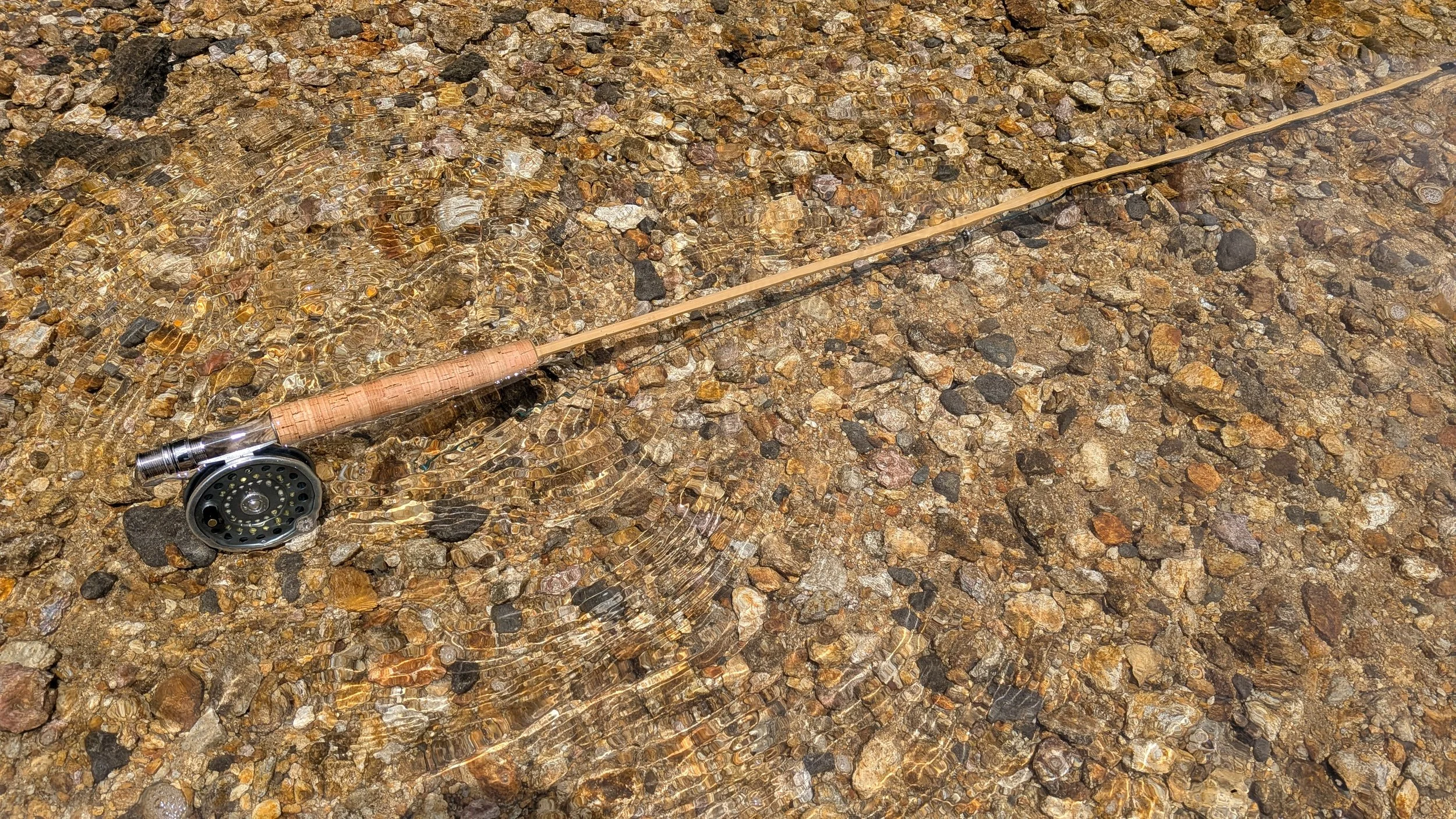
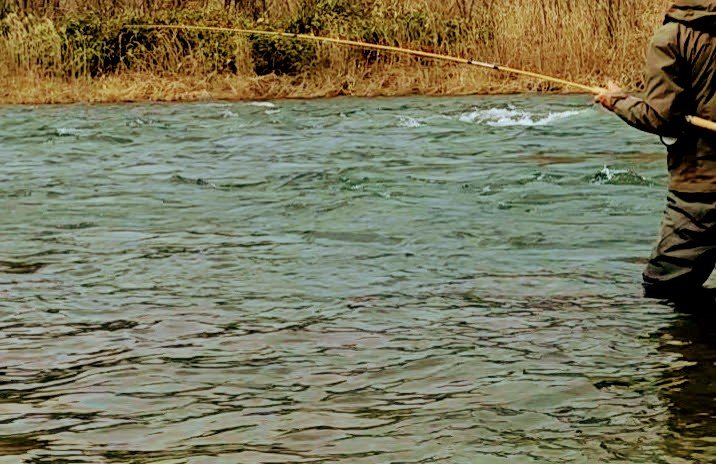
The #4 through #6 models are designed for dry-fly fishing, with tapers optimized primarily for use with floating lines.

The #7 through #9 models are designed for lake fishing using shooting heads.

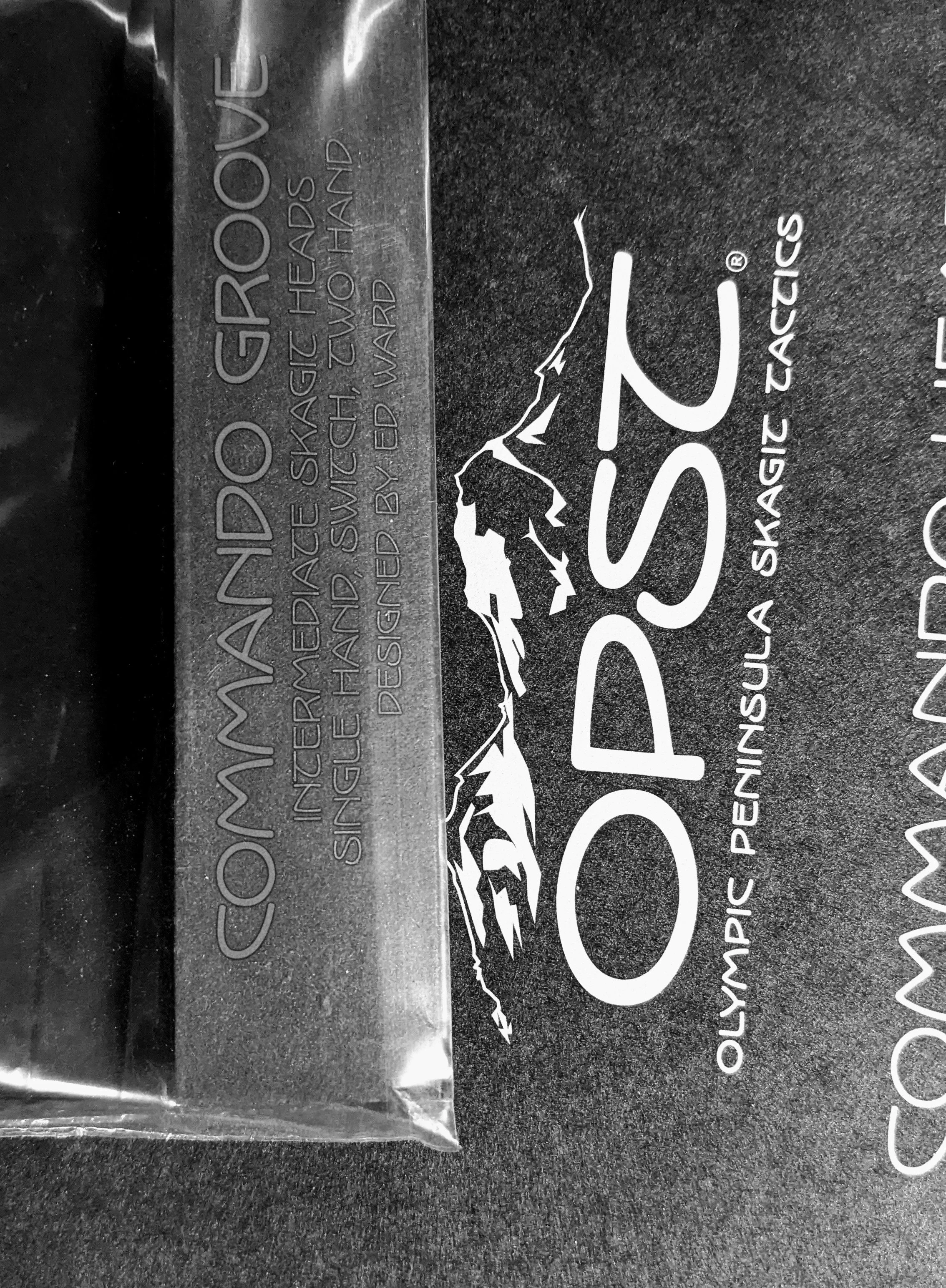
For the 11-foot Skagit rod, the ideal setup is an OPST 275-grain body line paired with a 75-grain tip.

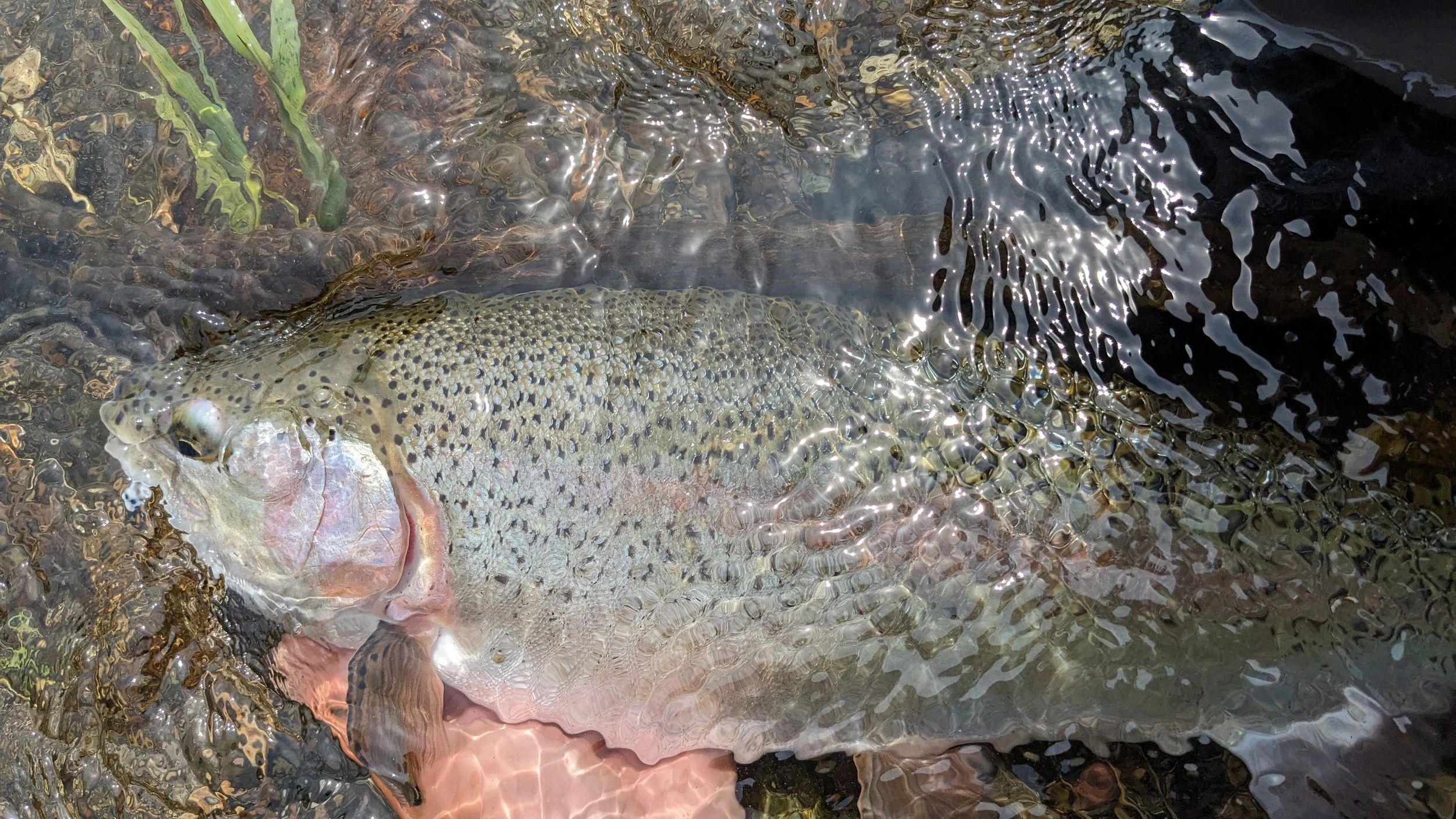
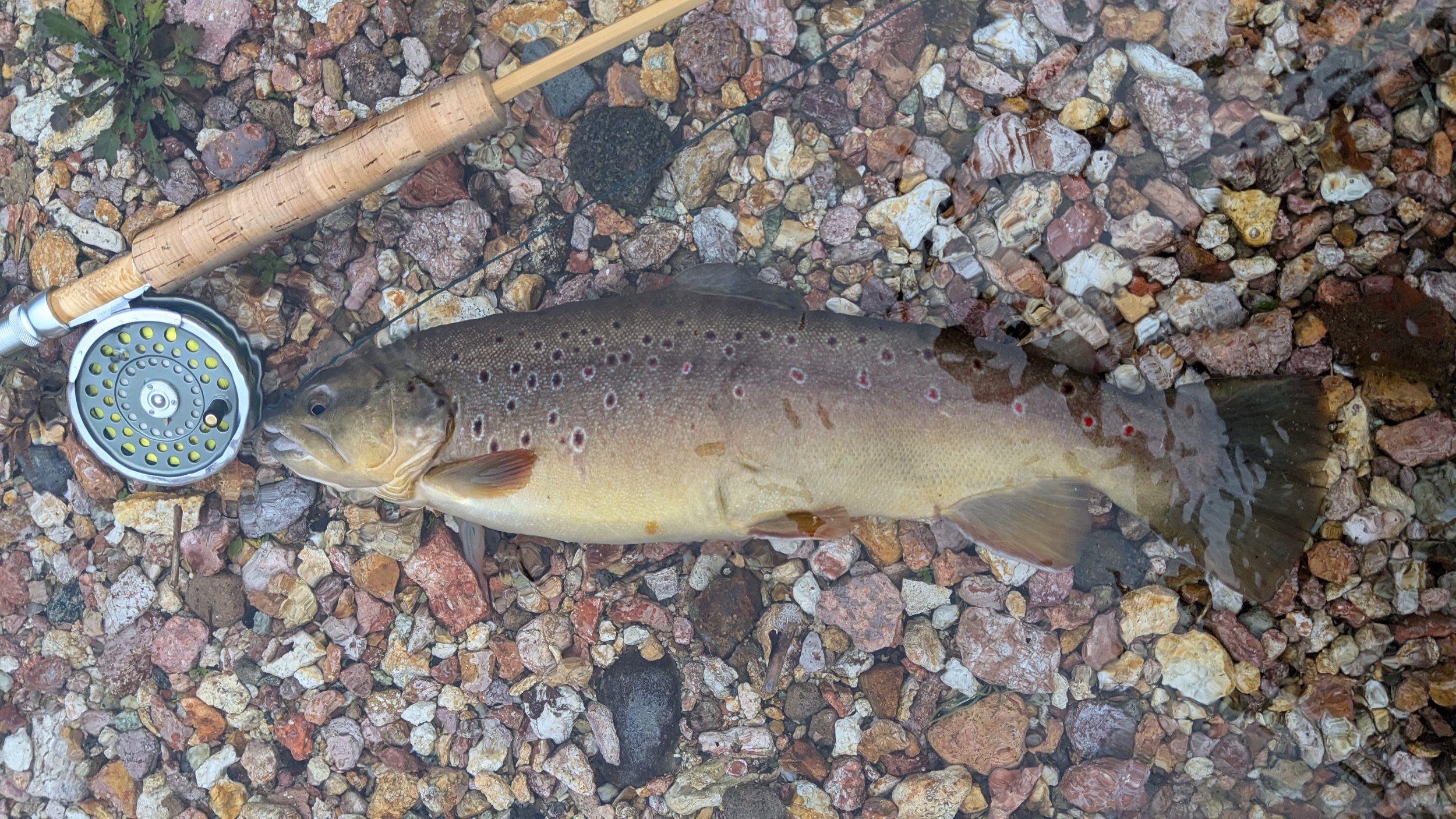
In short, the dry-fly rods are designed to handle larger trout, such as those around 60cm, with a medium-fast action.
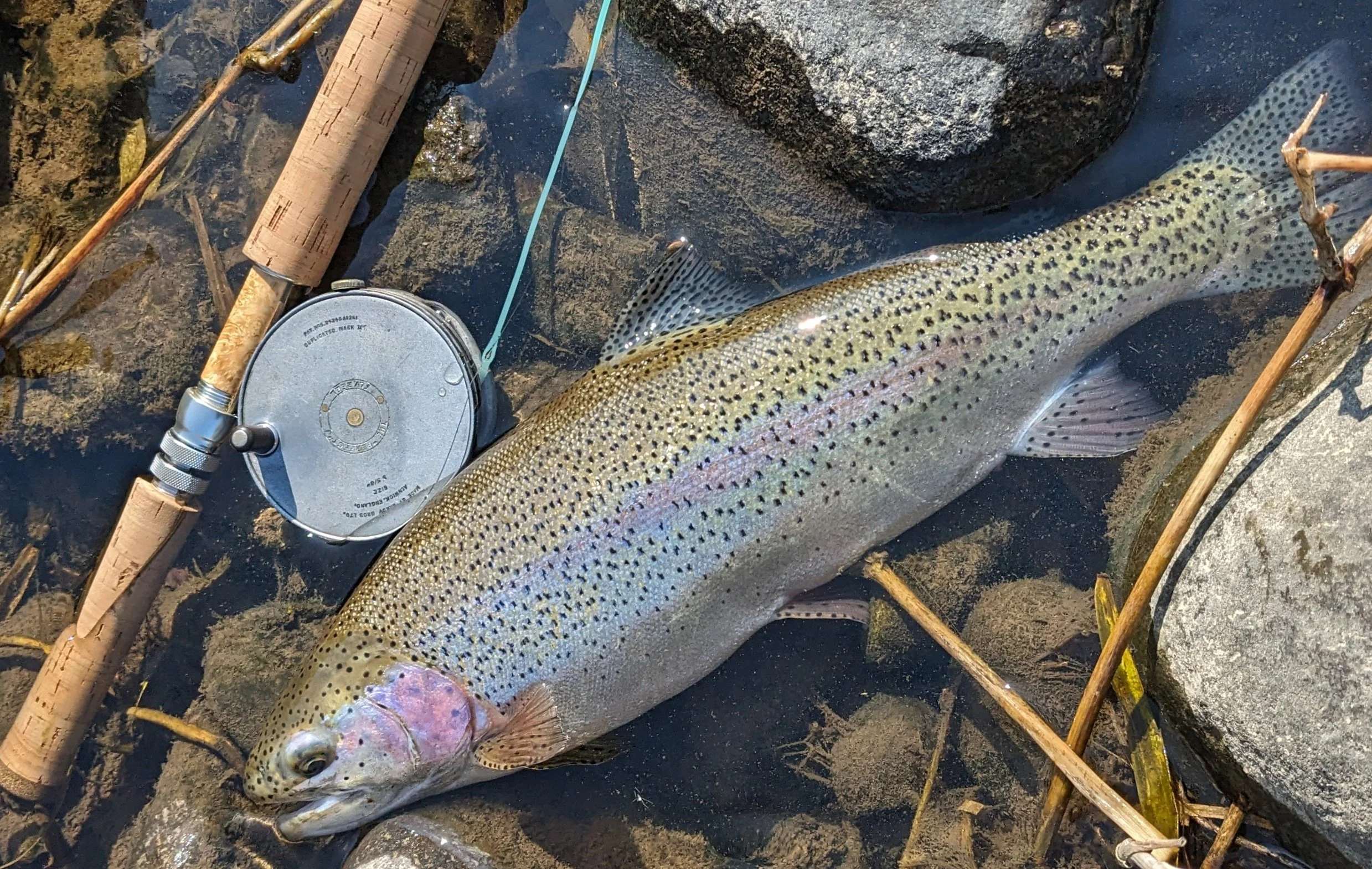
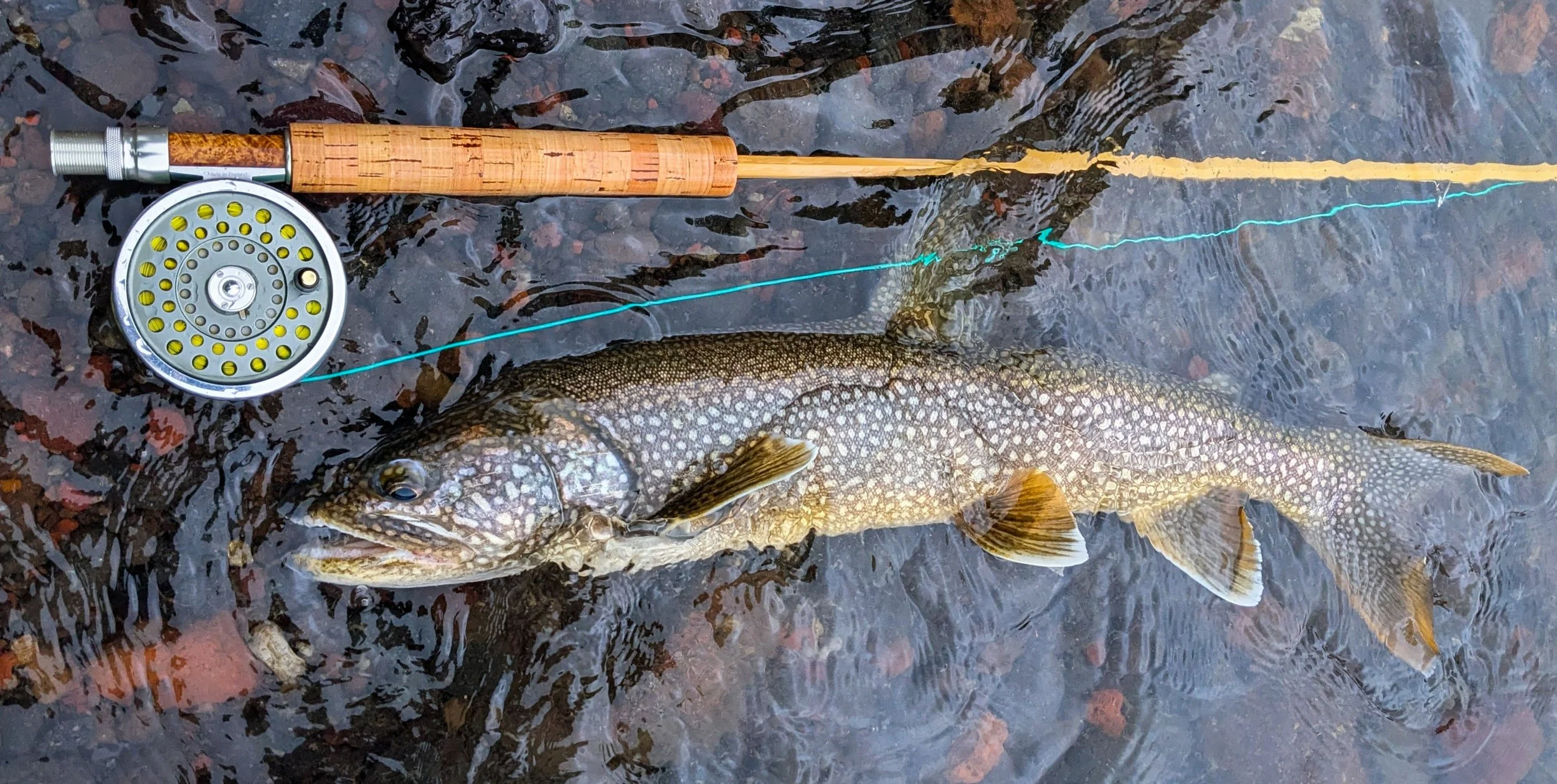
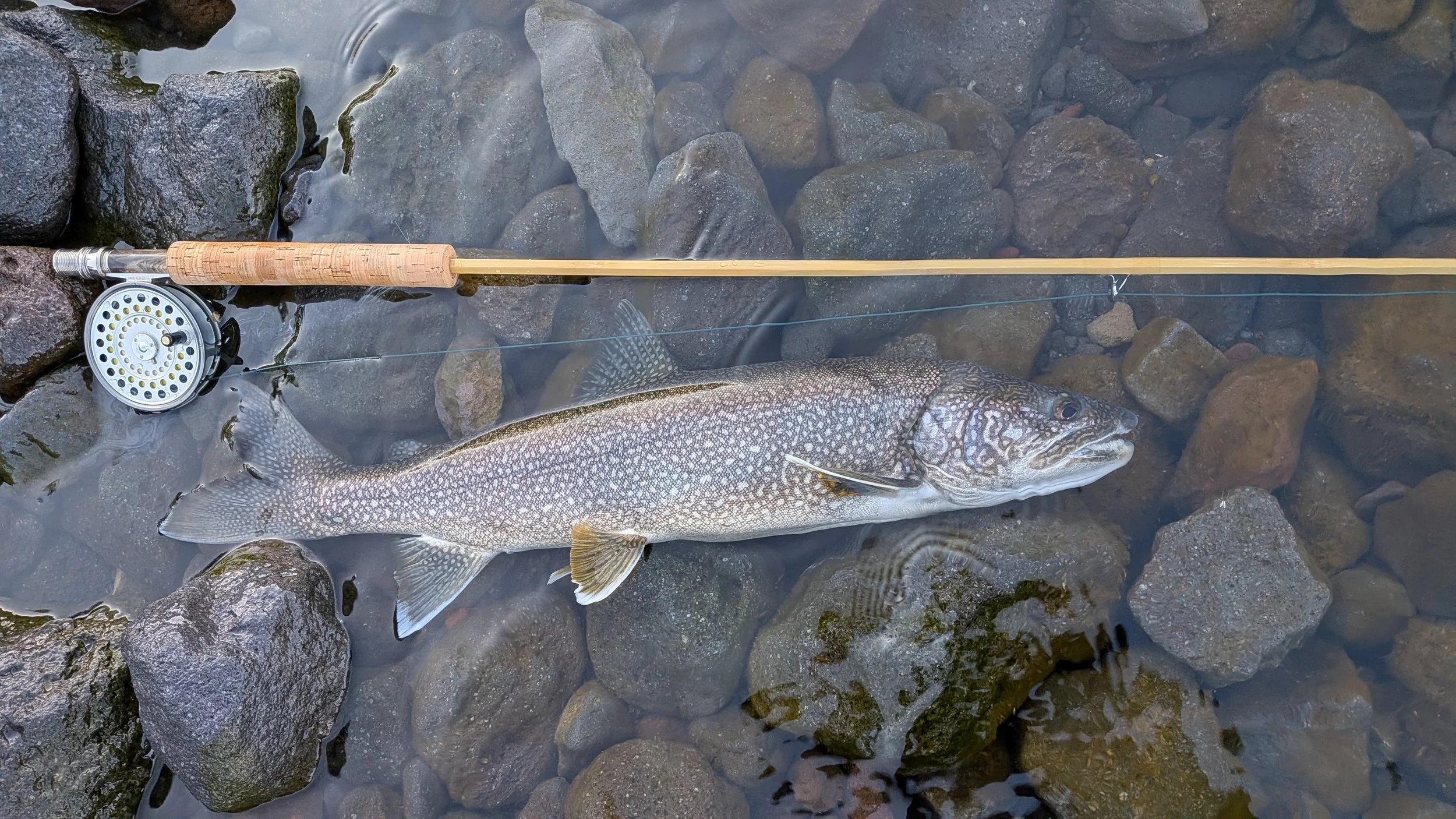
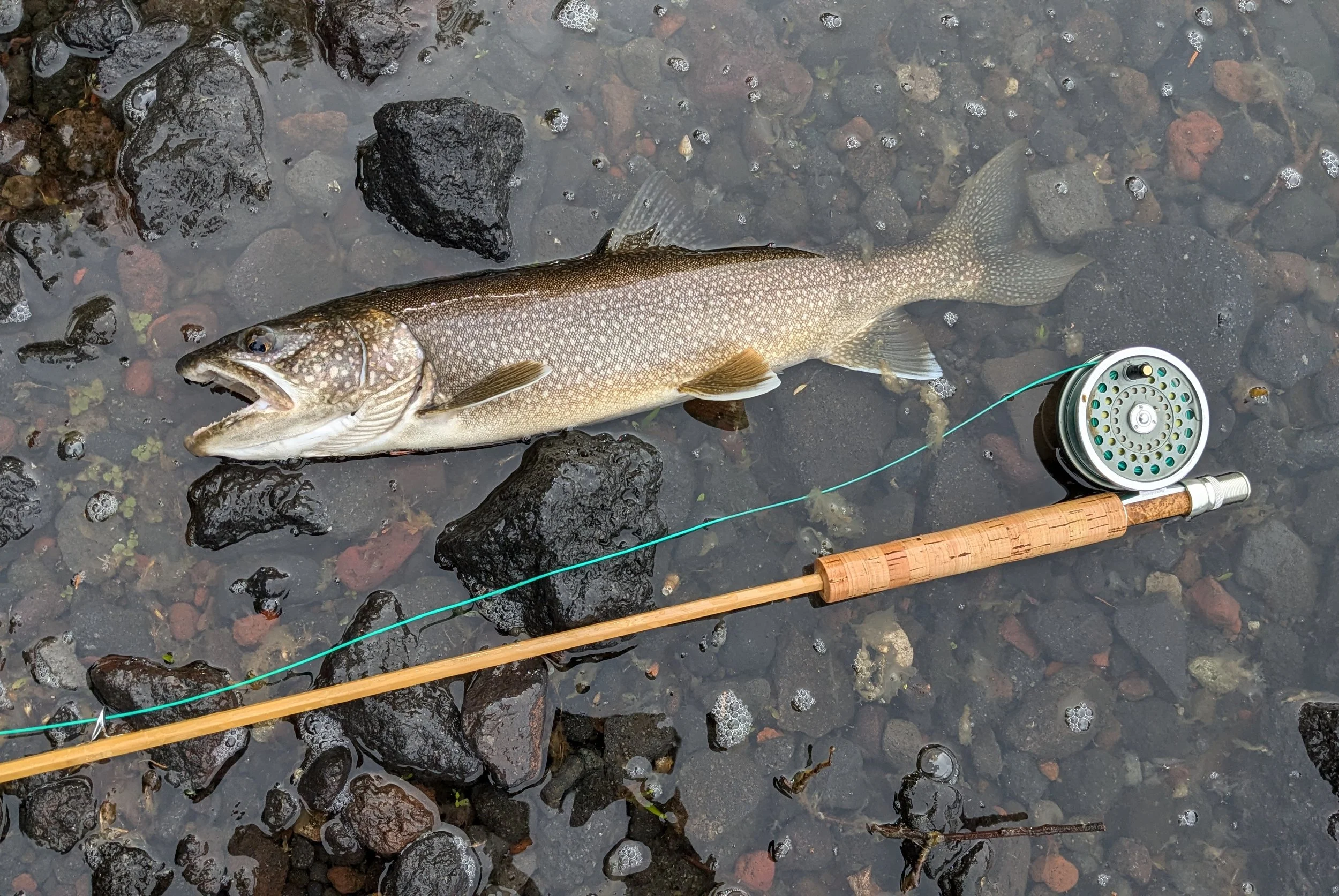
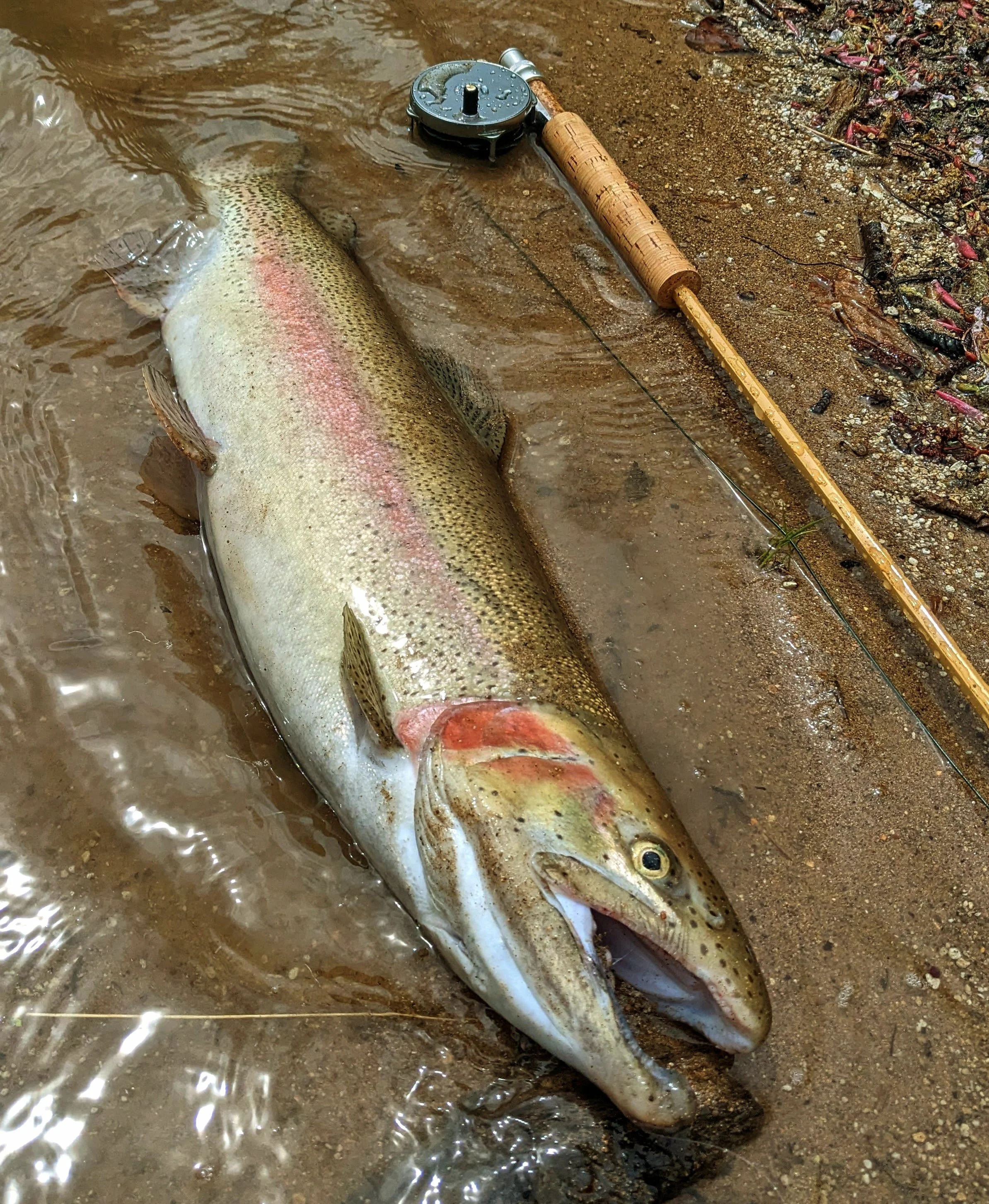
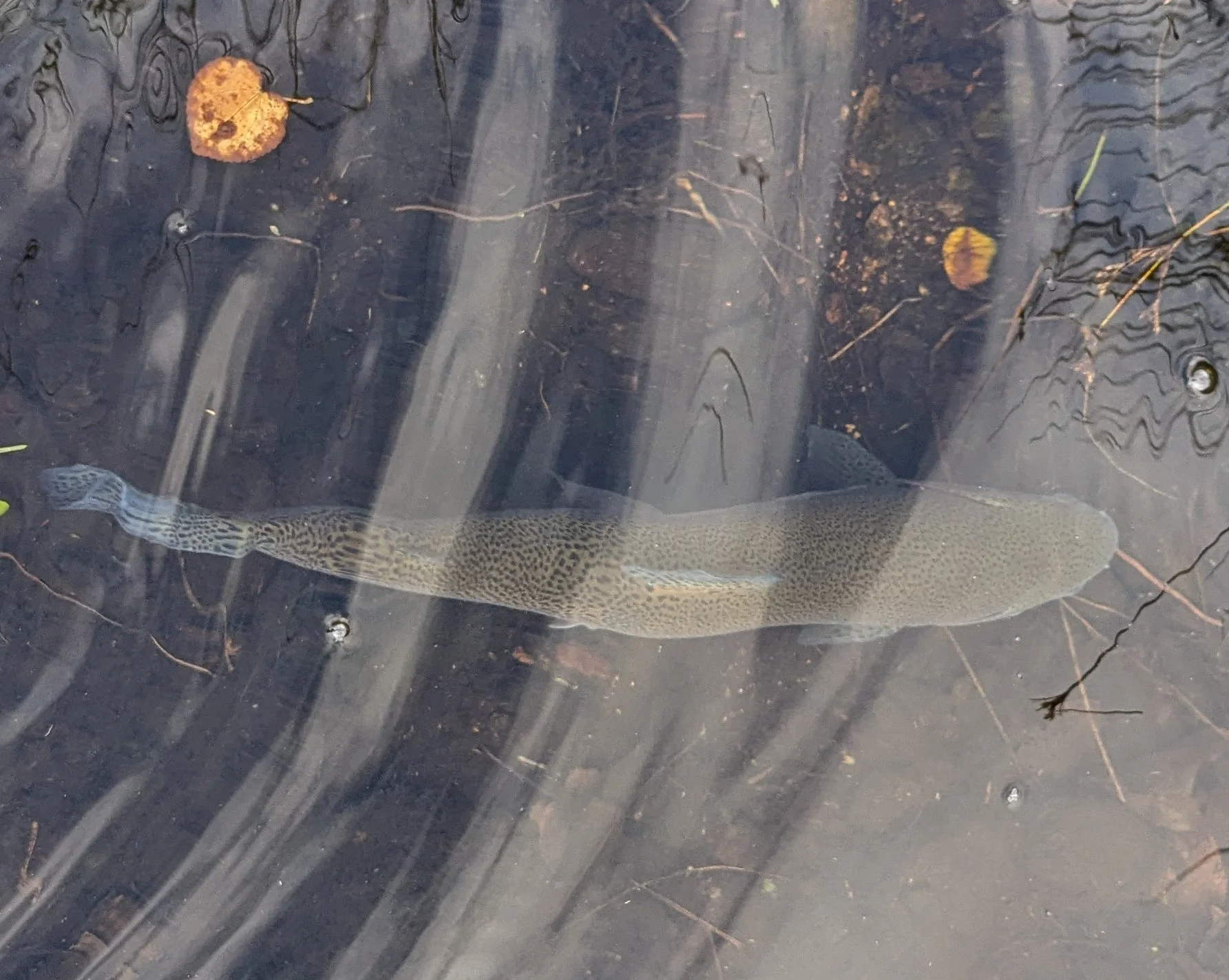
With the #7 through #9 shooting head rods, the rods performed perfectly even when catching fish over 80cm.
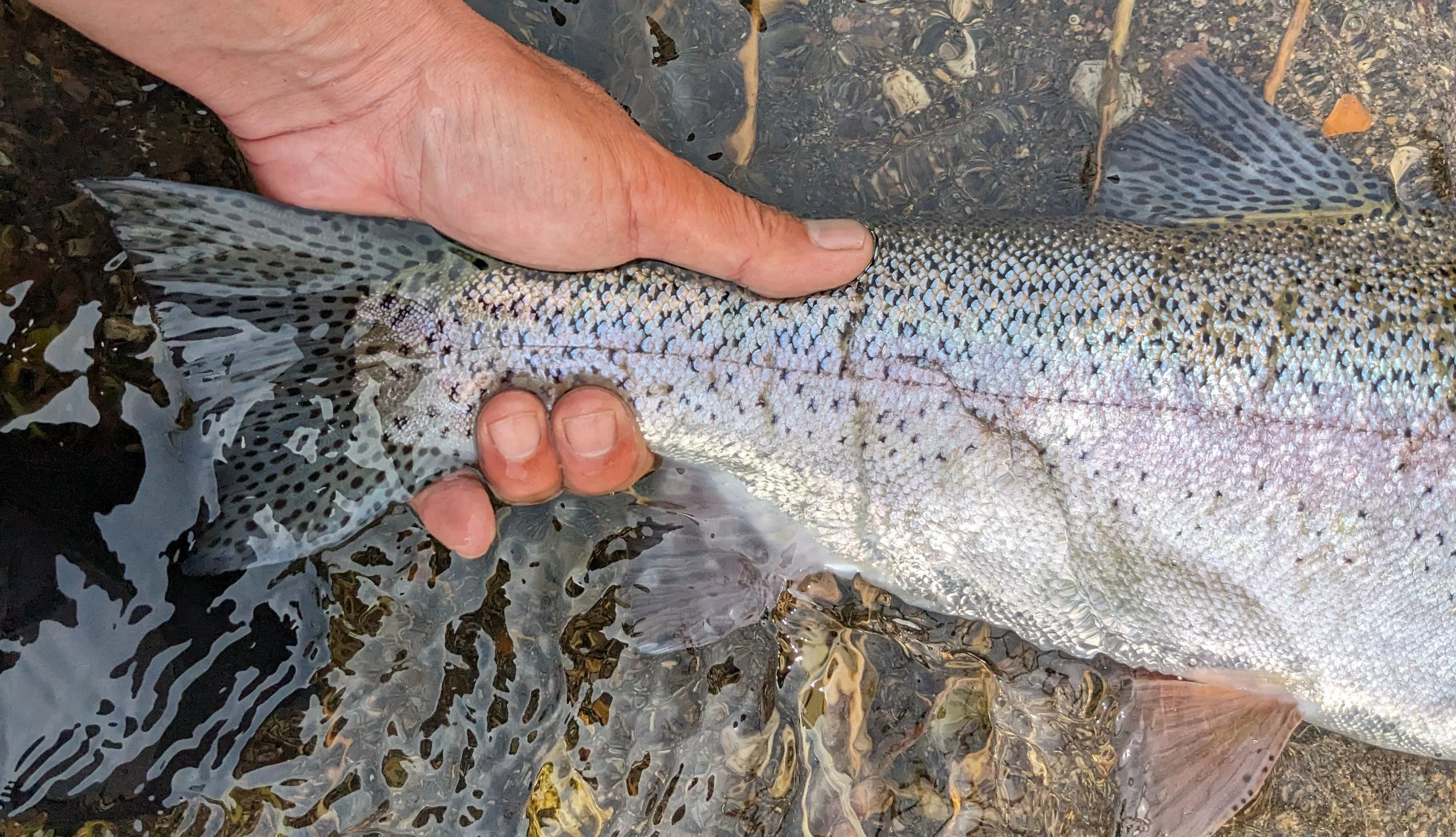
These can also be described as having a medium-fast, progressive action.