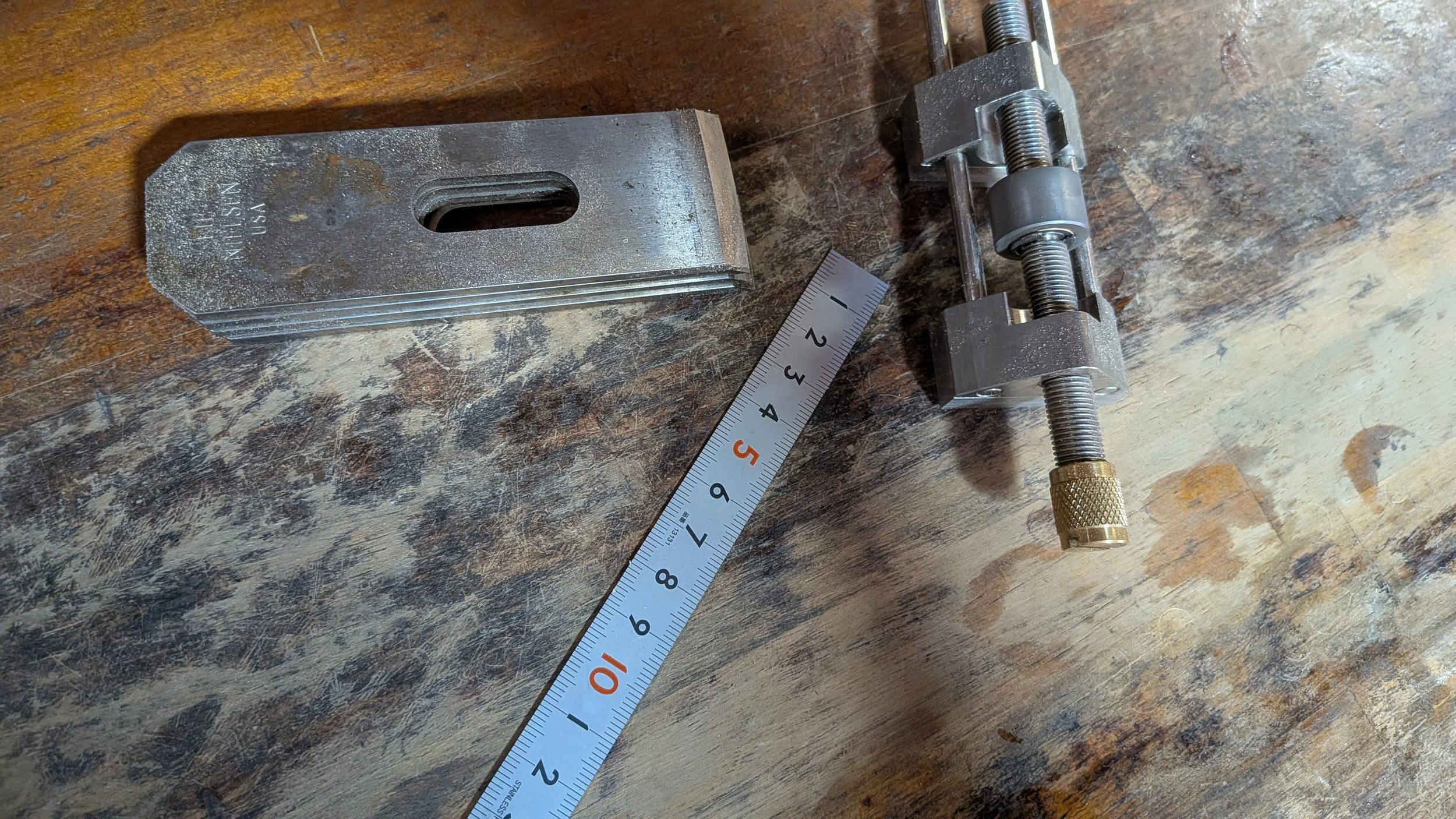
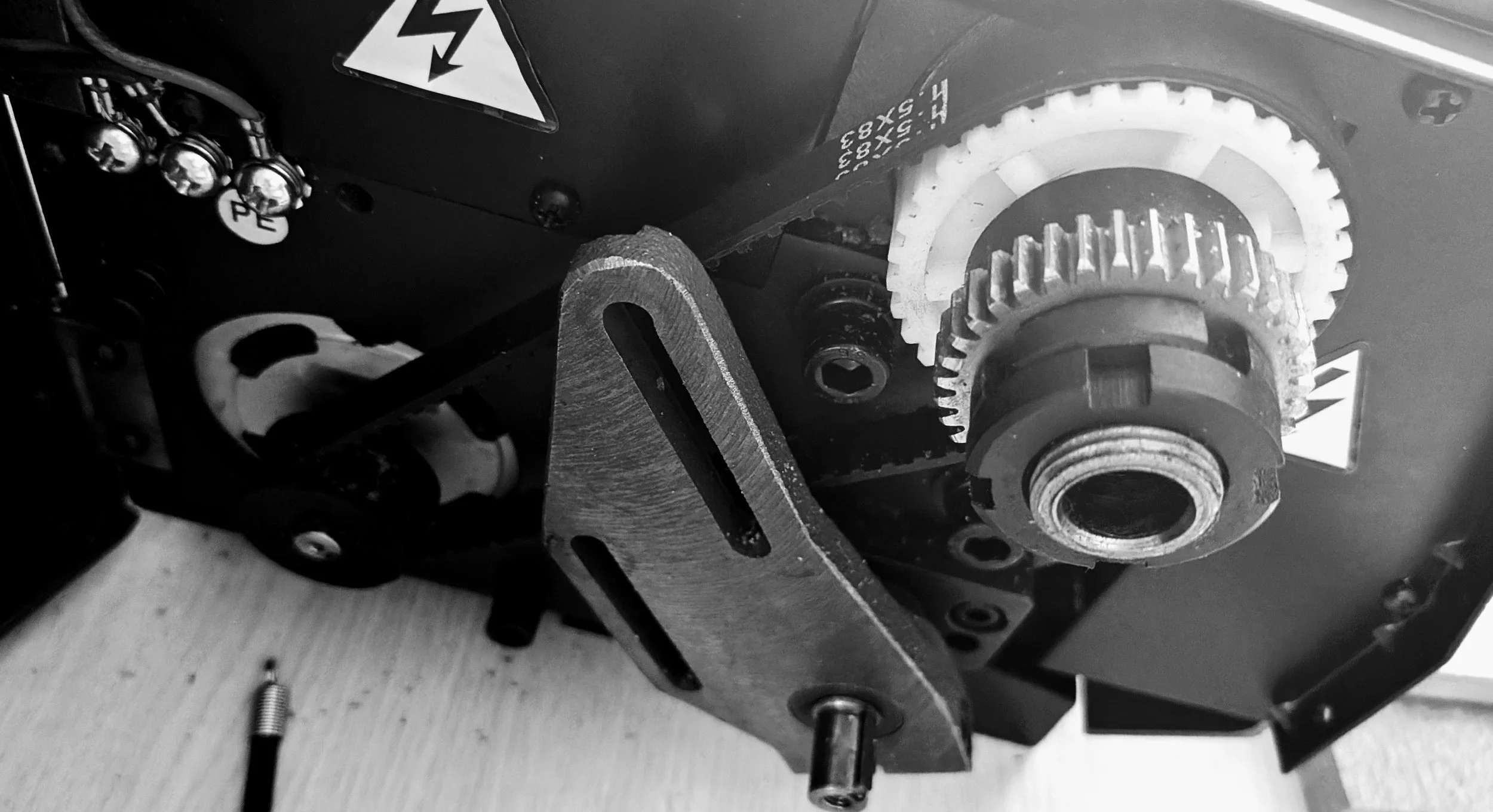
Sometimes, progress pauses.
Not because of design,
but because a small belt decides otherwise.
This is also part of making bamboo rods.
Dashed line · #5
Solid line · #7
Same modeled tip load · simplified static comparison
Progressive Bending Comparison
Designed for different line weights, these two rods share a related bending language.
Under the same modeled tip load, the #5 bends more deeply, while the #7 offers greater resistance to deflection.
This simplified static comparison does not reproduce the full dynamics of casting. It is intended to show how power can increase while the underlying bending rhythm is preserved.
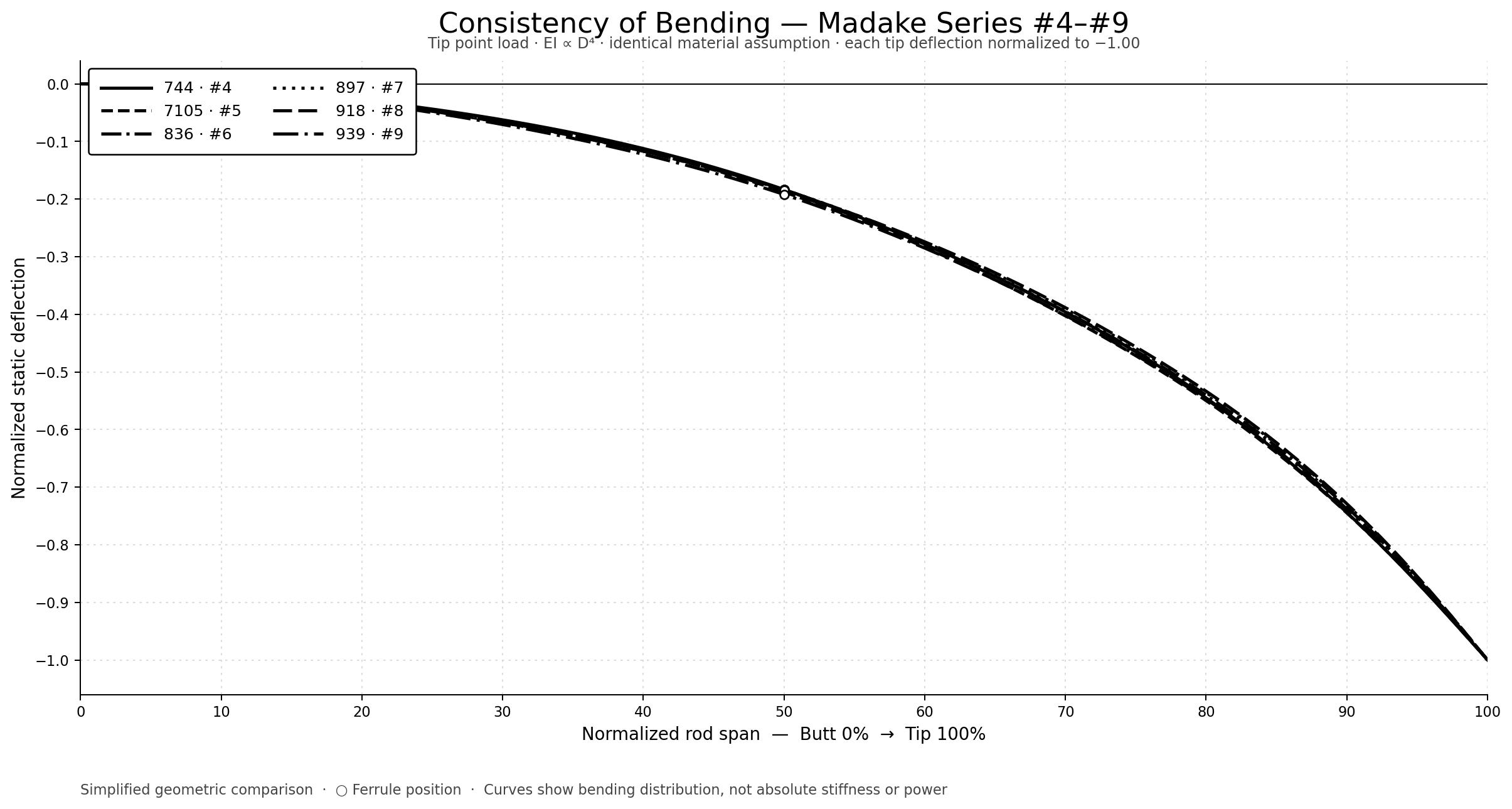
The normalized bending curves are similar, but the actual power differs with each line weight.
Micro-Swell Concept
A Small Change in the Lower Butt
A micro-swell is a very subtle, gradual increase in diameter introduced in the lower butt section of a rod.
Almost invisible to the eye, it is intended to refine the way force travels through the blank and the way the rod settles after the casting stroke.
I am currently building a prototype to determine whether this small change can improve stability without altering the rod’s fundamental rhythm.
The answer will be found on the water.
The Challenge of Taper Design
In studying classic tapers, I have learned one thing above all else:
Designing an excellent fly rod is extraordinarily difficult.
At first glance, a taper appears to be nothing more than a sequence of numbers.
Yet, when those numbers are translated into bamboo, a difference of even one thousandth of an inch can alter the way energy flows through the rod.
The more I analyze these classic rods, the deeper my respect grows for the people who designed them.
Their tapers were not the product of chance.
They were the result of countless experiments, meticulous observation, and years spent on the water.
Mathematics helps us understand the reasoning behind those choices.
Fishing reveals whether those choices were right.
Perhaps that is precisely why taper design remains such an enduring source of fascination.
The deeper I study taper design, the greater my respect becomes for those who came before me.
With respect to bamboo rod builders around the world.
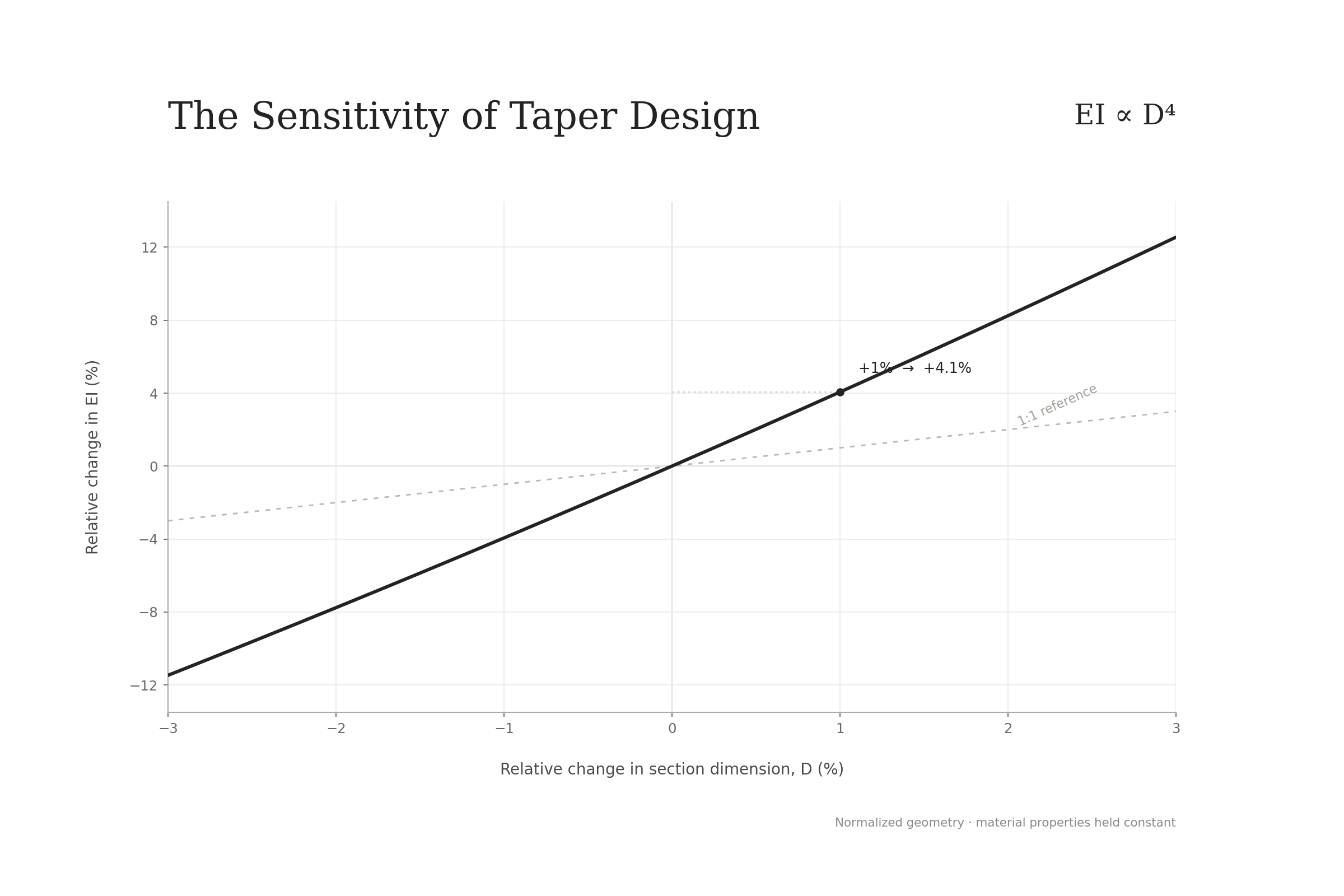
Similar bending curves can conceal different taper rhythms.
Energy Distribution Analysis
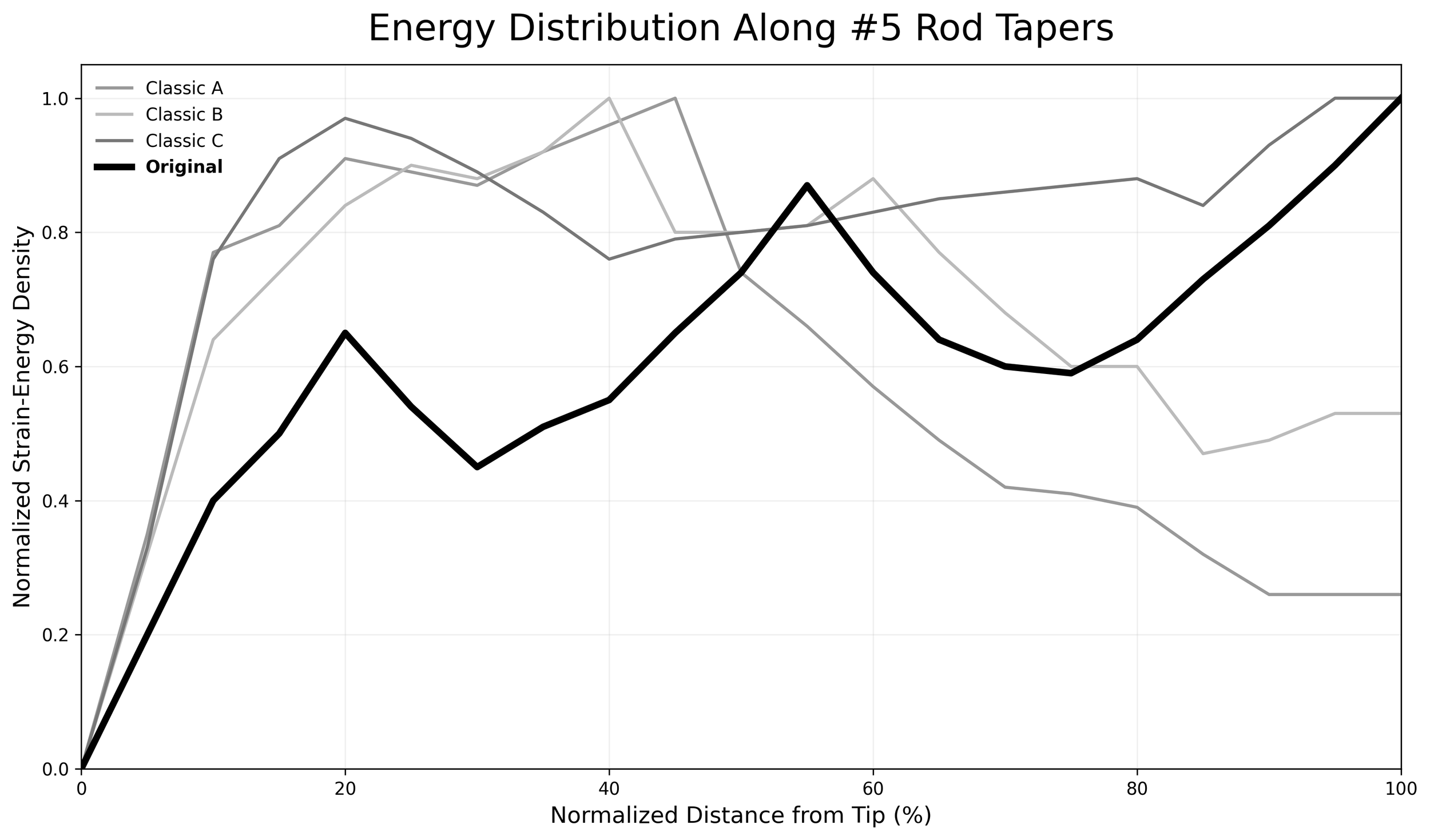
This analysis visualizes how structural work is distributed along four different #5 rod tapers.
The Original taper gradually transfers structural engagement from the tip toward the mid and butt sections, reducing concentration near the tip while allowing the entire rod to participate in load transfer.
The purpose of this comparison is to illustrate different design philosophies, not to evaluate superiority.

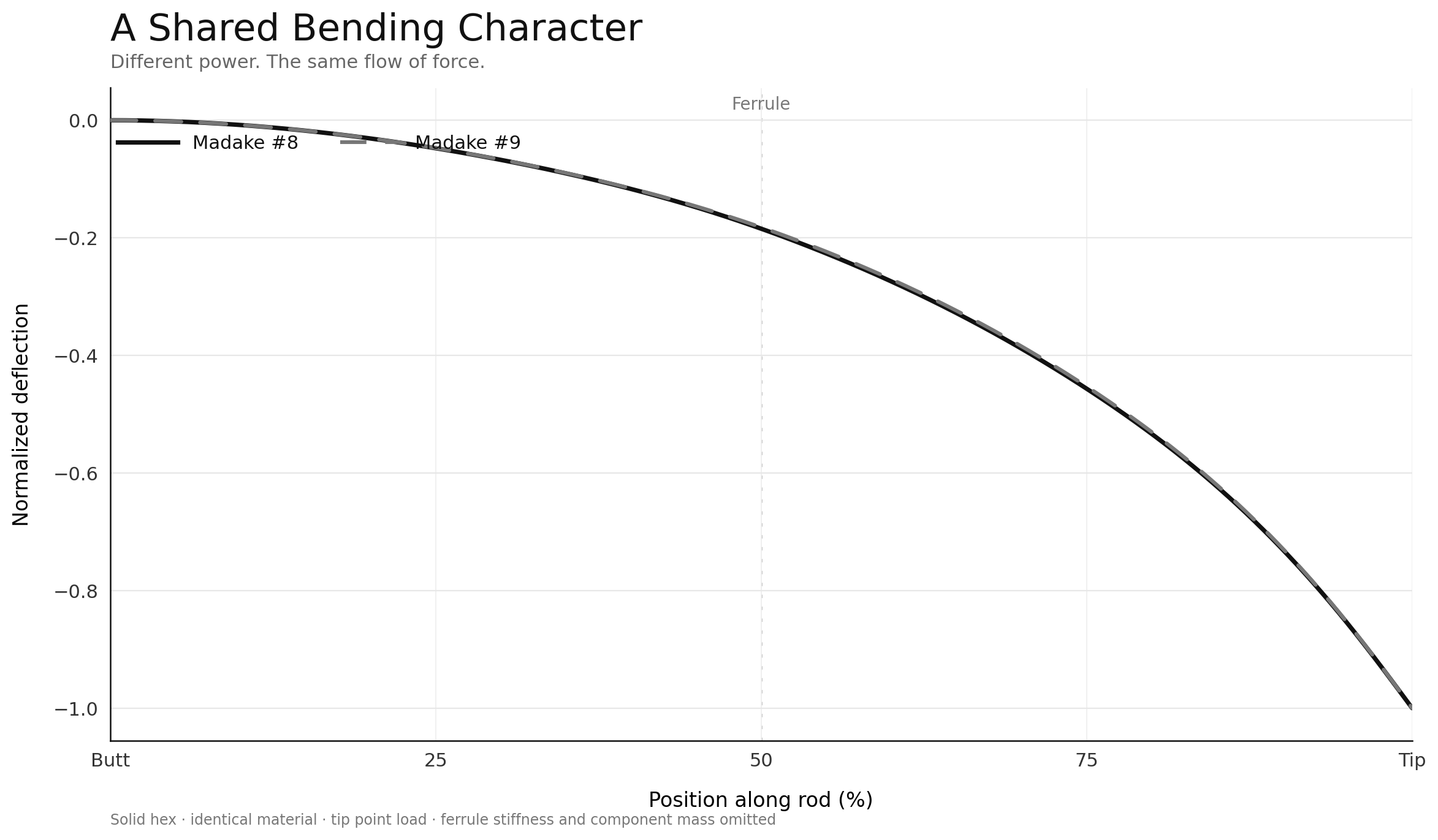
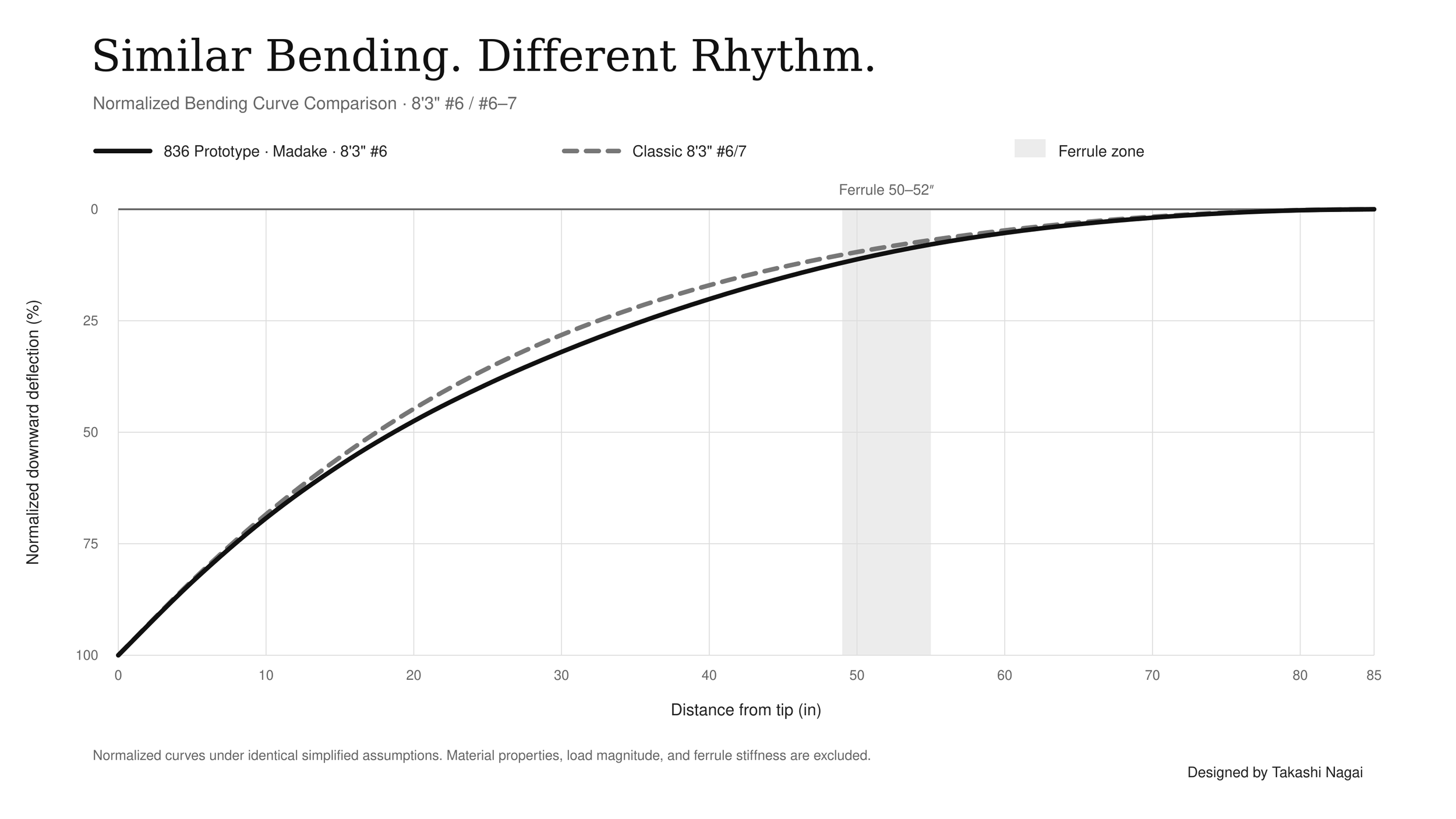
Different in length and line weight, these two madake rods reveal nearly the same normalized bending curve. Their absolute power is different. The flow of force remains consistent.
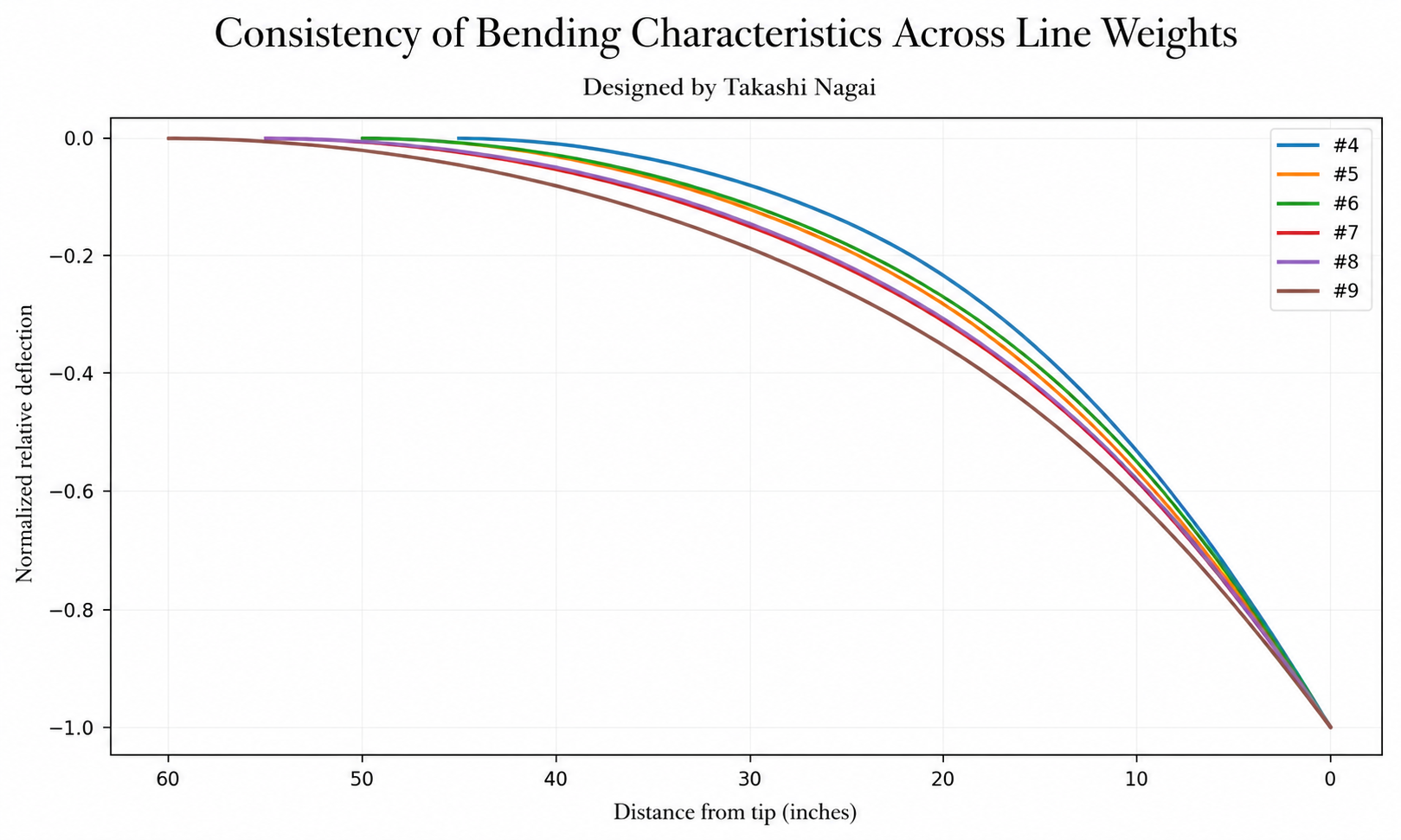
Consistency of Tip-Section Bending Characteristics Across Line Weights
Designed by Takashi Nagai
Relative bending curves calculated from taper dimensions using a simplified beam model. These curves illustrate the consistency of the design philosophy across line weights and are intended for comparative analysis. They are not direct measurements of actual rod deflection.
The purpose of these analyses is not to prove superiority, but to better understand the design philosophy behind my rods.
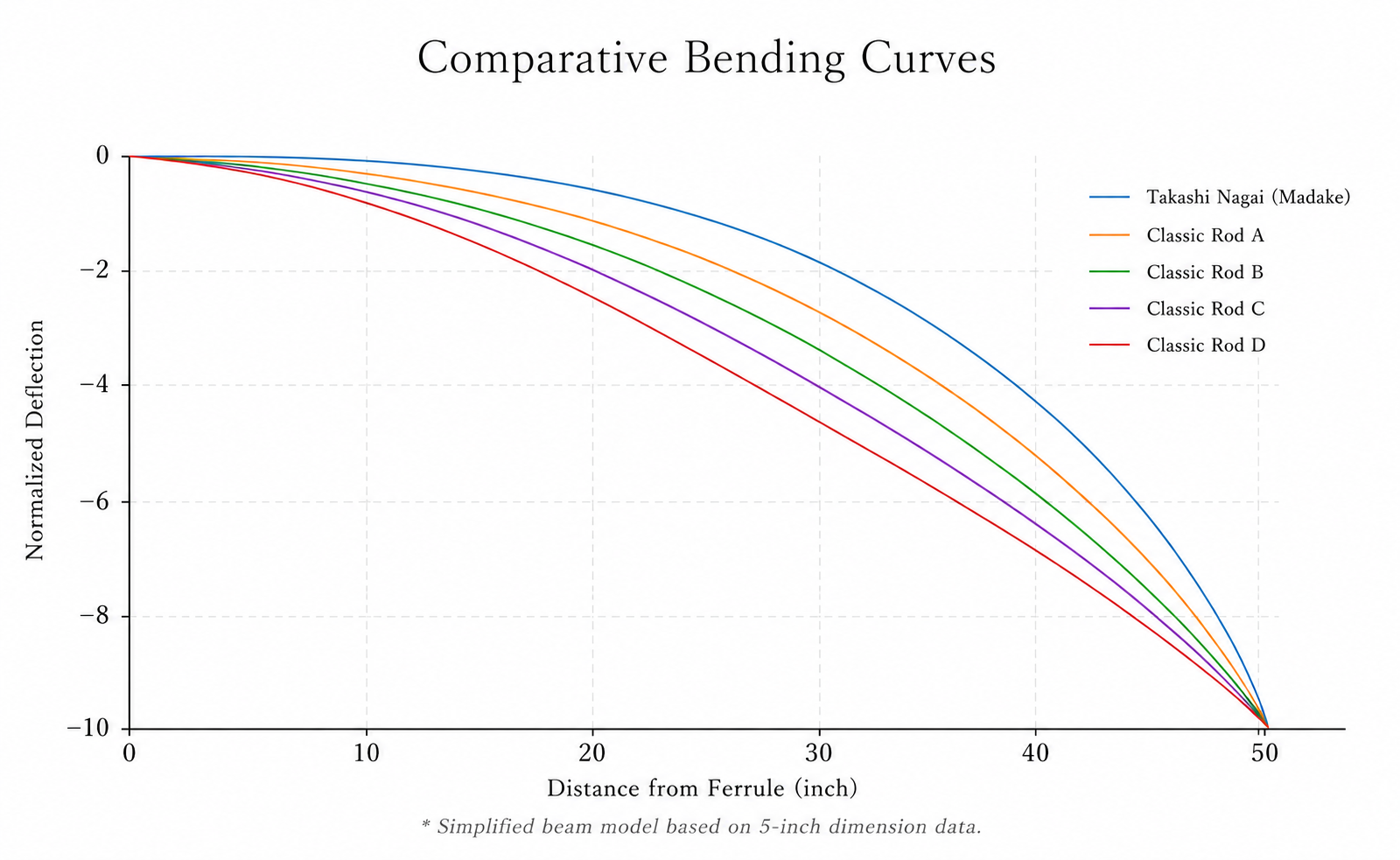
Comparative Bending Curves
This simplified analysis visualizes the approximate bending behavior of different taper designs under identical conditions.
It is intended to compare bending distribution, not to evaluate superiority.
This analysis is presented with deep respect for the classic rod makers whose work continues to inspire generations of builders.
A taper is more than a series of dimensions.
It is the story of the rod builder who lived in that era.
Every taper reflects the life and philosophy of the rod builder who created it.

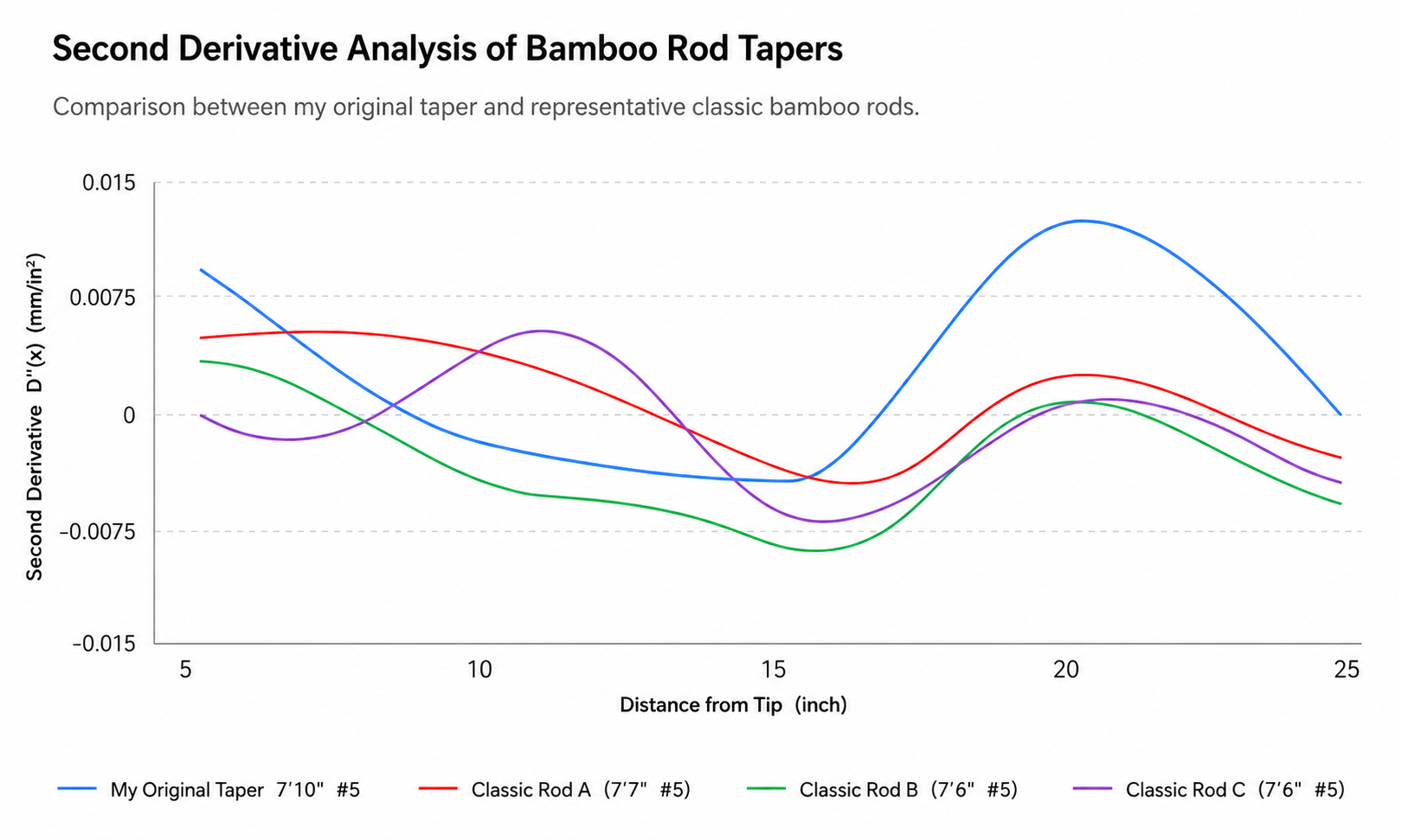
Second Derivative Analysis of Bamboo Rod Tapers
A comparison between an original taper and a representative classic bamboo rod.
This analysis explores taper design using second derivatives. It is intended as a mathematical perspective rather than a measure of superiority.
My taper is designed to protect the tip by transferring load farther down the rod. Interestingly, despite being an original design, its second-derivative profile shows similarities to several historic bamboo rod tapers.
One of the most interesting findings from this study was that the second-derivative profile of my taper showed an unexpected similarity to that of one of the most iconic bamboo rods in history.
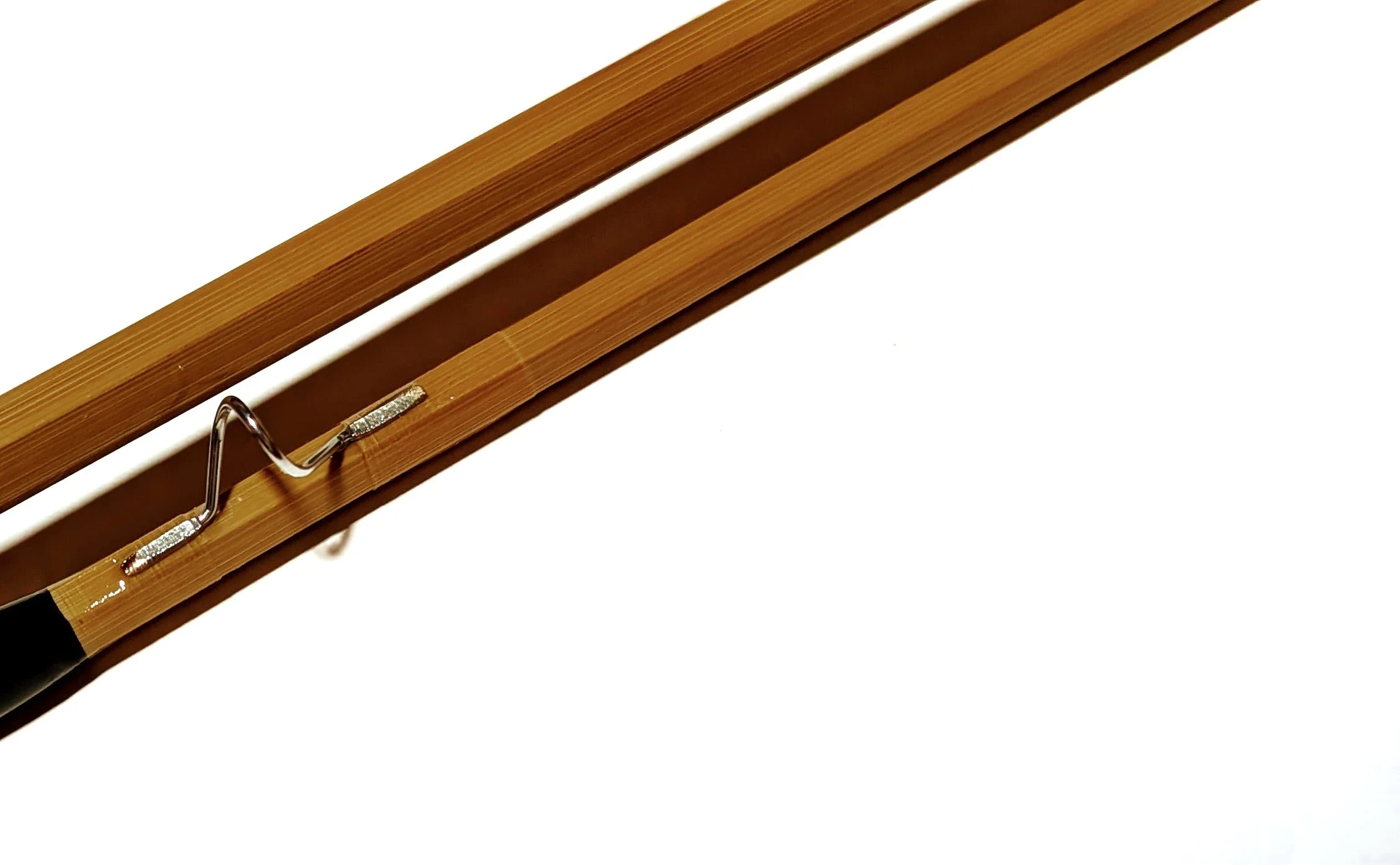
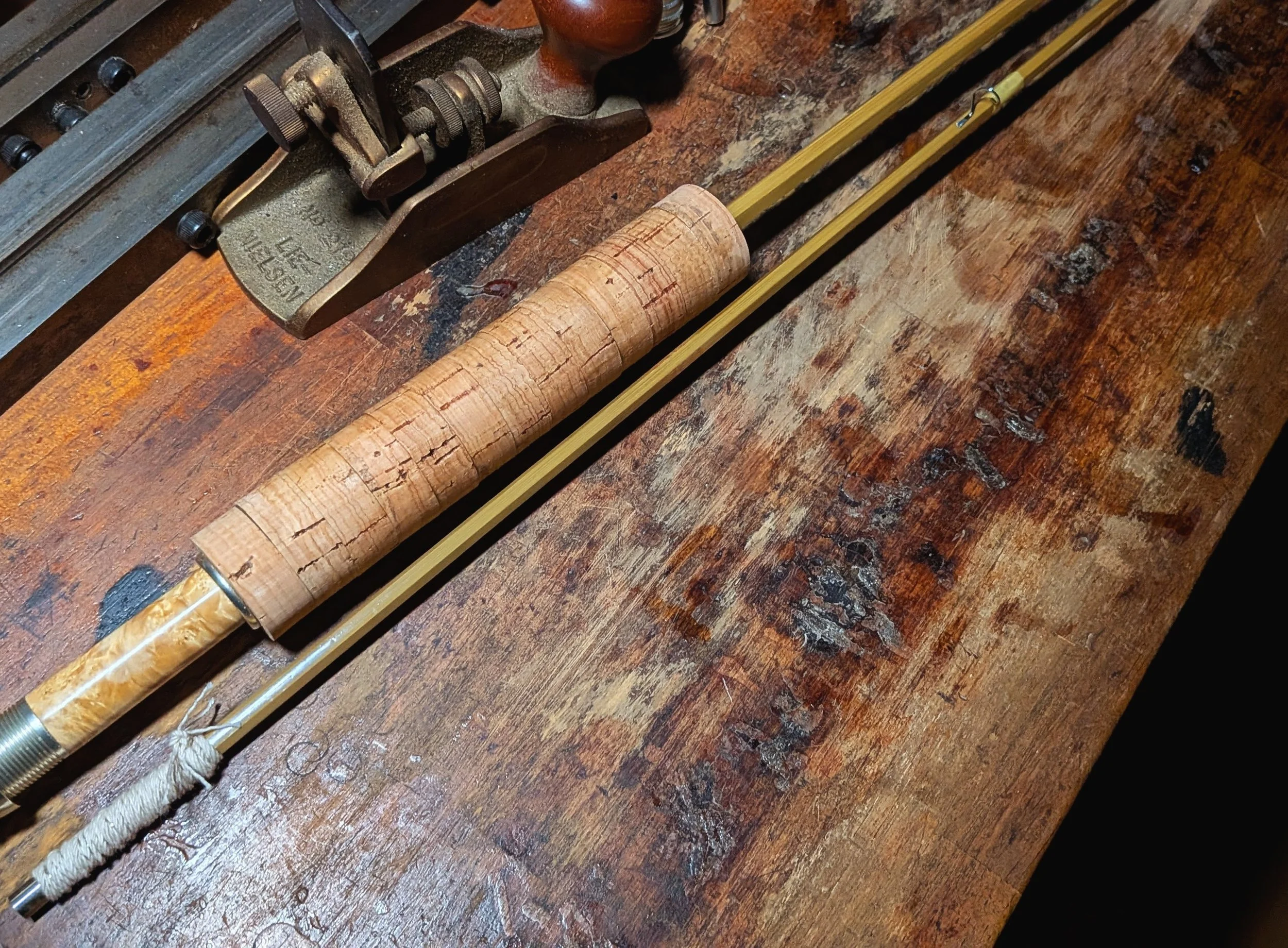
The rod has now been fitted with the guides.
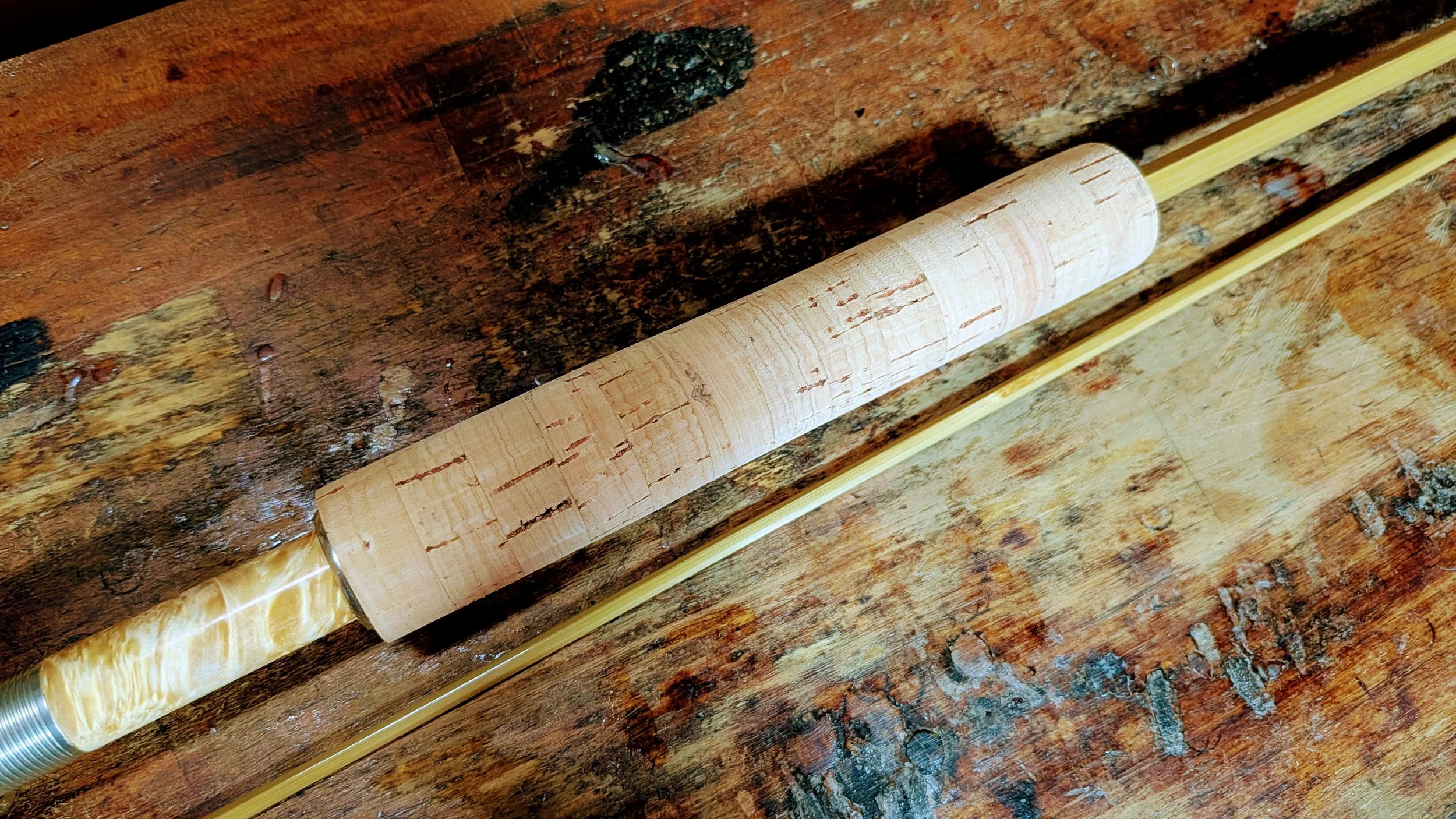
The cork grip is not shaped in a single step. Instead, it is carefully refined through approximately three stages of fine adjustment.
The natural world is governed by a wide range of mathematical principles. Inspired by these patterns, I conducted a series of experiments incorporating concepts such as prime numbers, logarithmic spirals, and the golden and silver ratios into my taper designs. Although these approaches were ultimately not adopted, the process deepened my understanding of rod design and helped shape my current design philosophy.
Among these experiments, the prime-number taper proved to be particularly insightful. The sequence of prime numbers remains an active area of research in modern mathematics, and I explored whether some of its underlying patterns could contribute to bamboo rod taper design. While the concept itself was not adopted as a final design, several ideas that emerged from this study continue to influence my current taper designs.
Mathematics is a tool for design that continually inspires new ideas, but the answer is always found on the water.
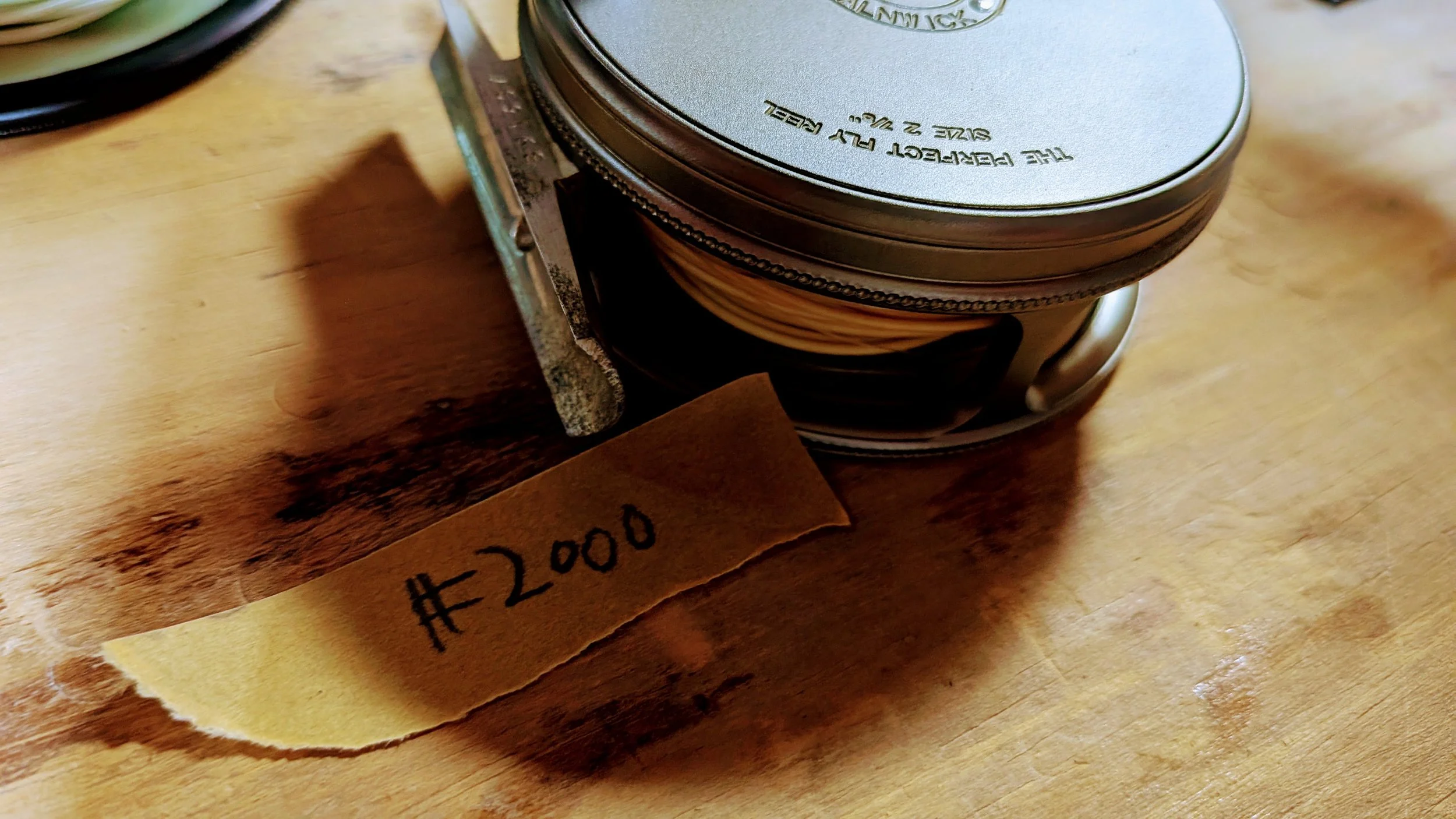
Final adjustment for the metal ferrule fitting.
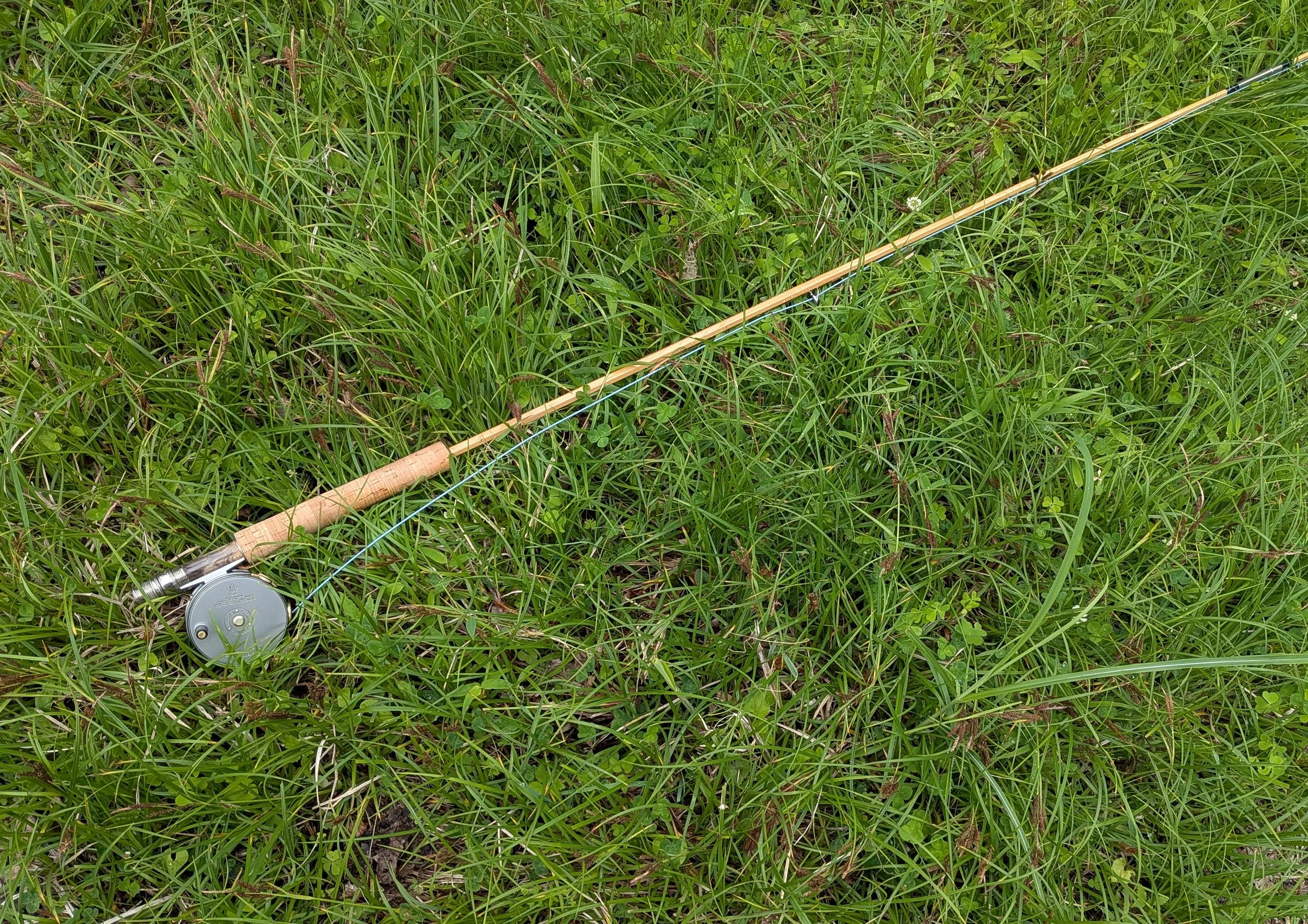
The #9 rod feels heavy for lake fishing, so I think I'll switch to a #8 next year.
A rainy day.
Fly casting styles vary greatly. Some anglers are beginners, while others cast with raw power. Some prefer the smooth feel of a deeply flexing rod, while others favor a faster, stiffer action. Some enjoy making long casts, while others find their greatest pleasure fishing at close range.
By understanding these diverse preferences objectively and continually refining my designs through trial and error, I will continue creating rods that offer a more natural, comfortable, and rewarding casting experience.
What is the difference between Tonkin cane and madake (Japanese timber bamboo)?
This is likely a question for those outside Japan. While it is difficult to explain in detail, I will summarize the key points. Madake is lighter and possesses finer fibers, yet it remains strong. This is precisely why madake is used for bows in Japanese kyudo (archery) and shinai (bamboo swords) in kendo. I used to own about four bamboo rods made from Tonkin cane.
Based on that experience, comparing the two, madake rods strike me as being more flexible and delicate. If designed with the same taper, a rod made from madake should result in a lighter finished product.
This is precisely why I do not simply copy the taper specifications of renowned rods from abroad.
In short, madake bamboo and Tonkin cane possess different physical properties, so I had no choice but to develop my own unique tapers from the very beginning. That is the only reason.
In doing so, I have applied the mathematics at which I excel.
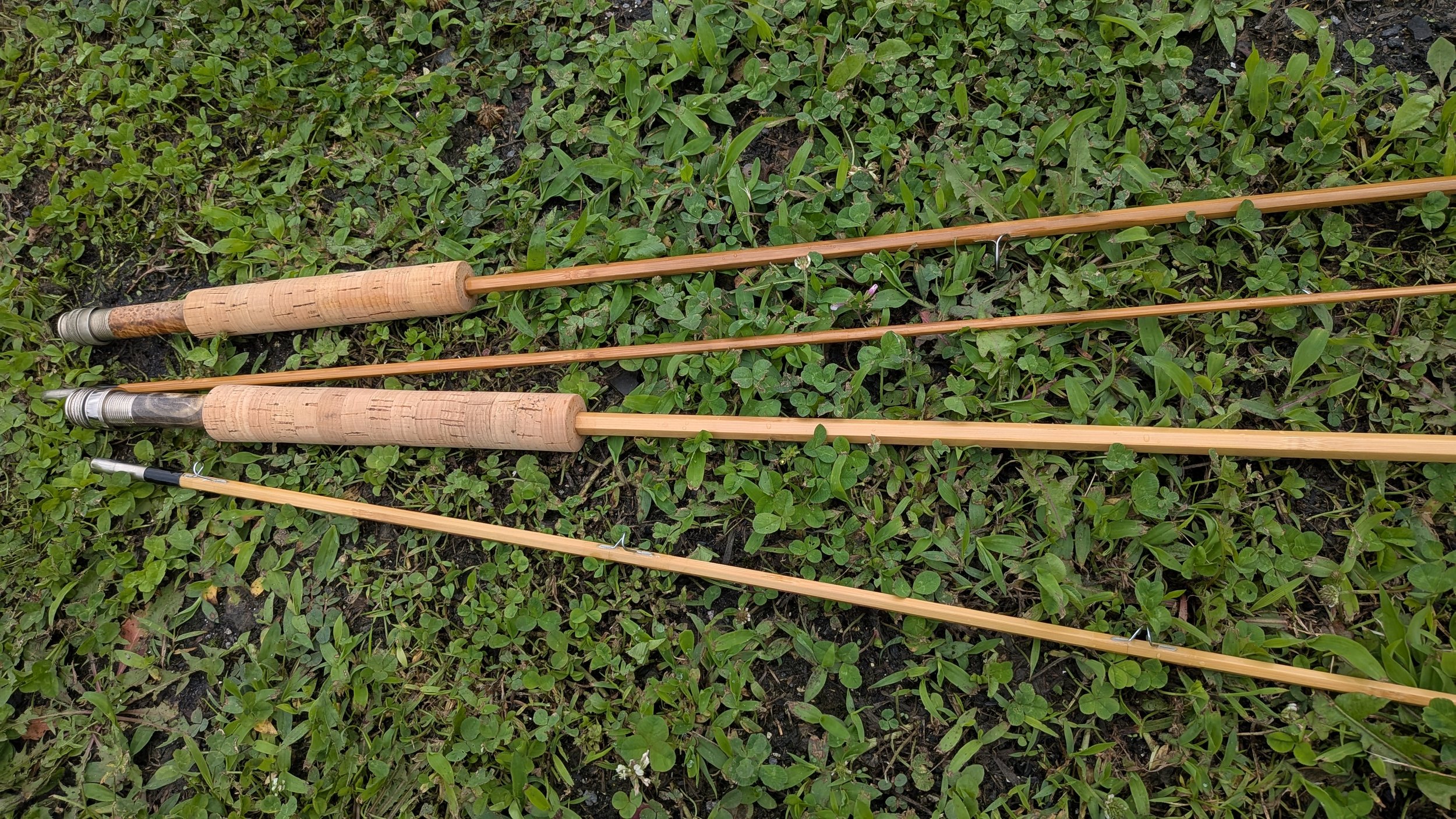
For the time being, I will be focusing primarily on dry-fly fishing with #4 and #5 floating lines, as well as rod building.
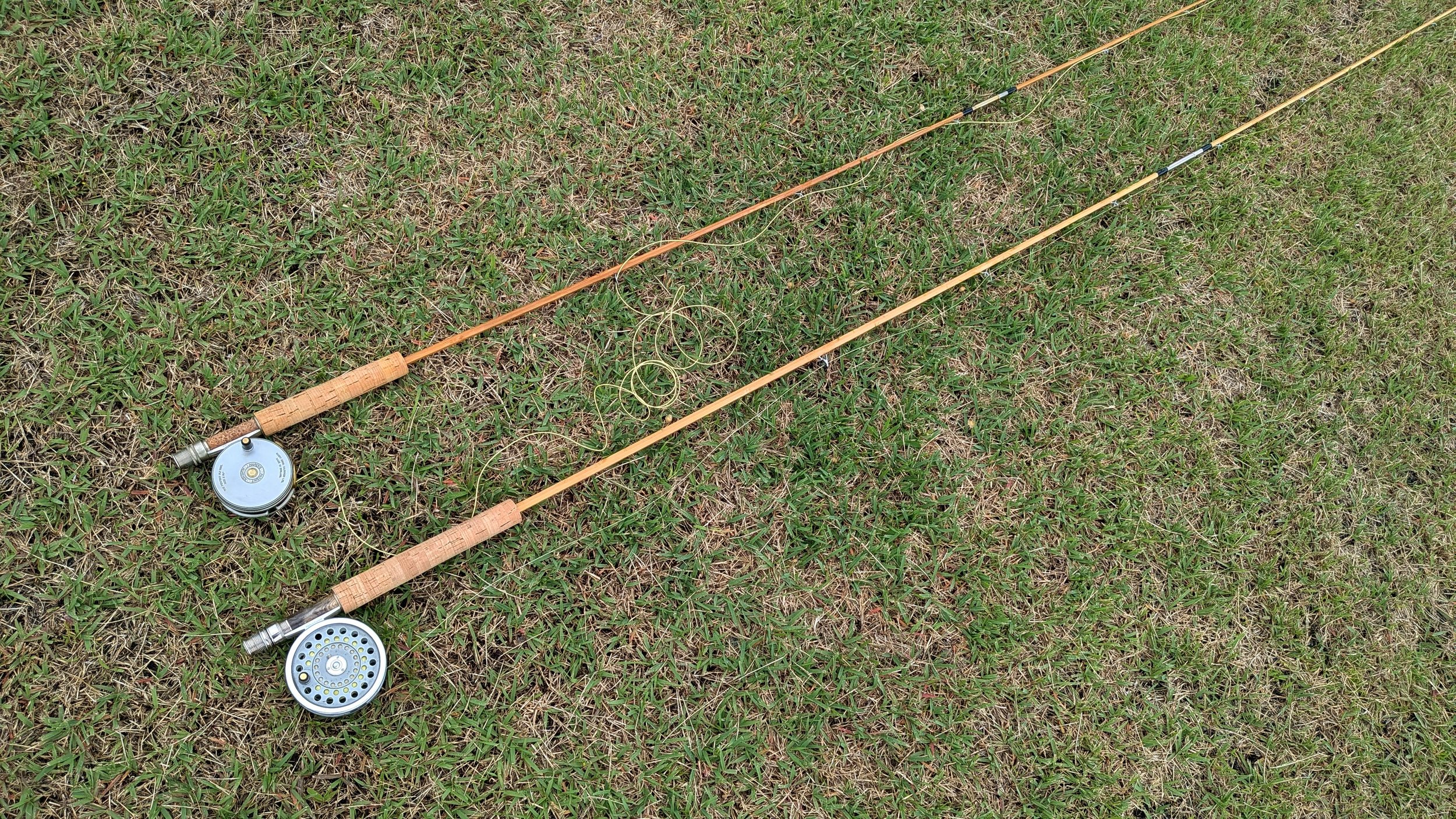
Comparison images of the 765 and 939.
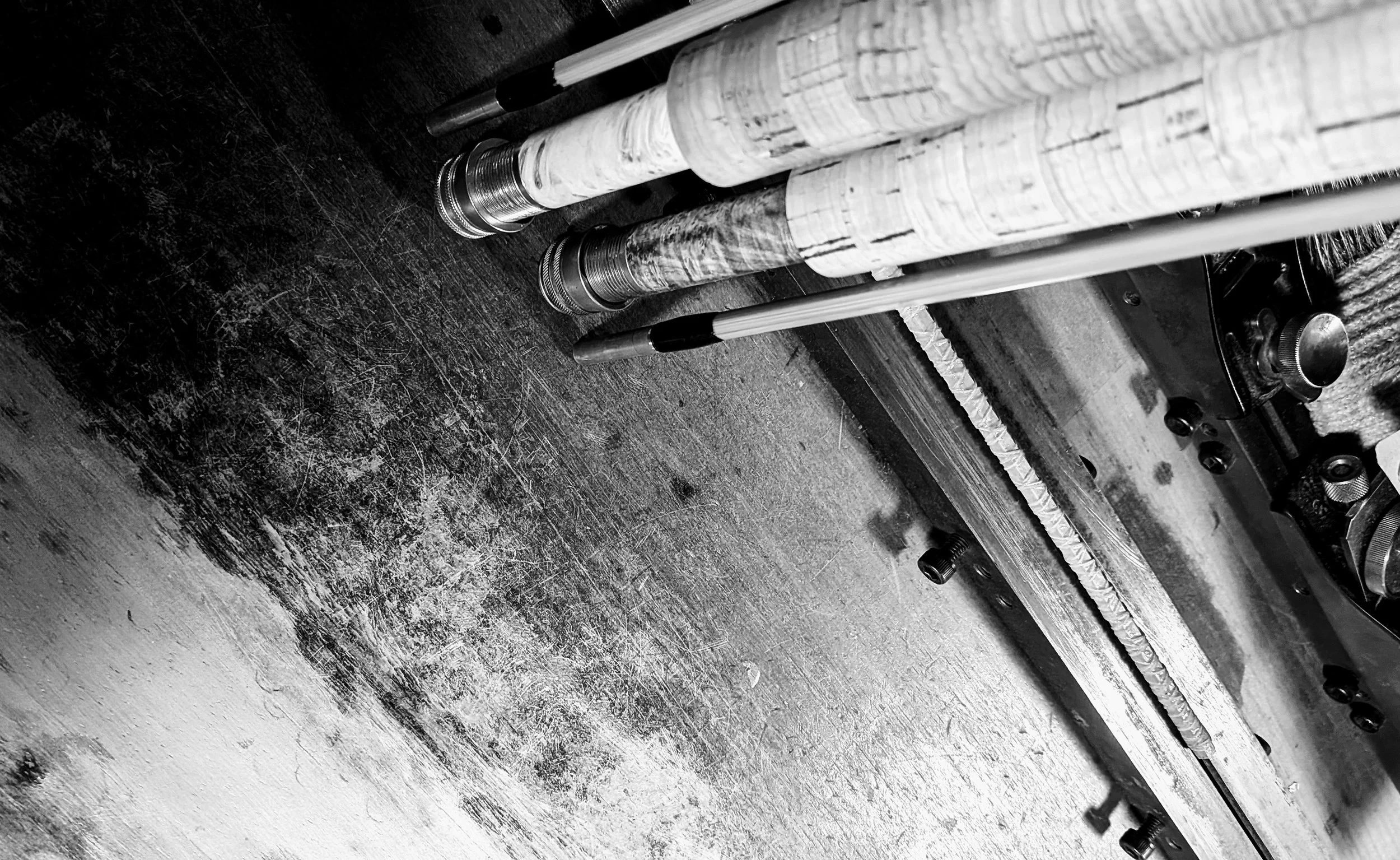
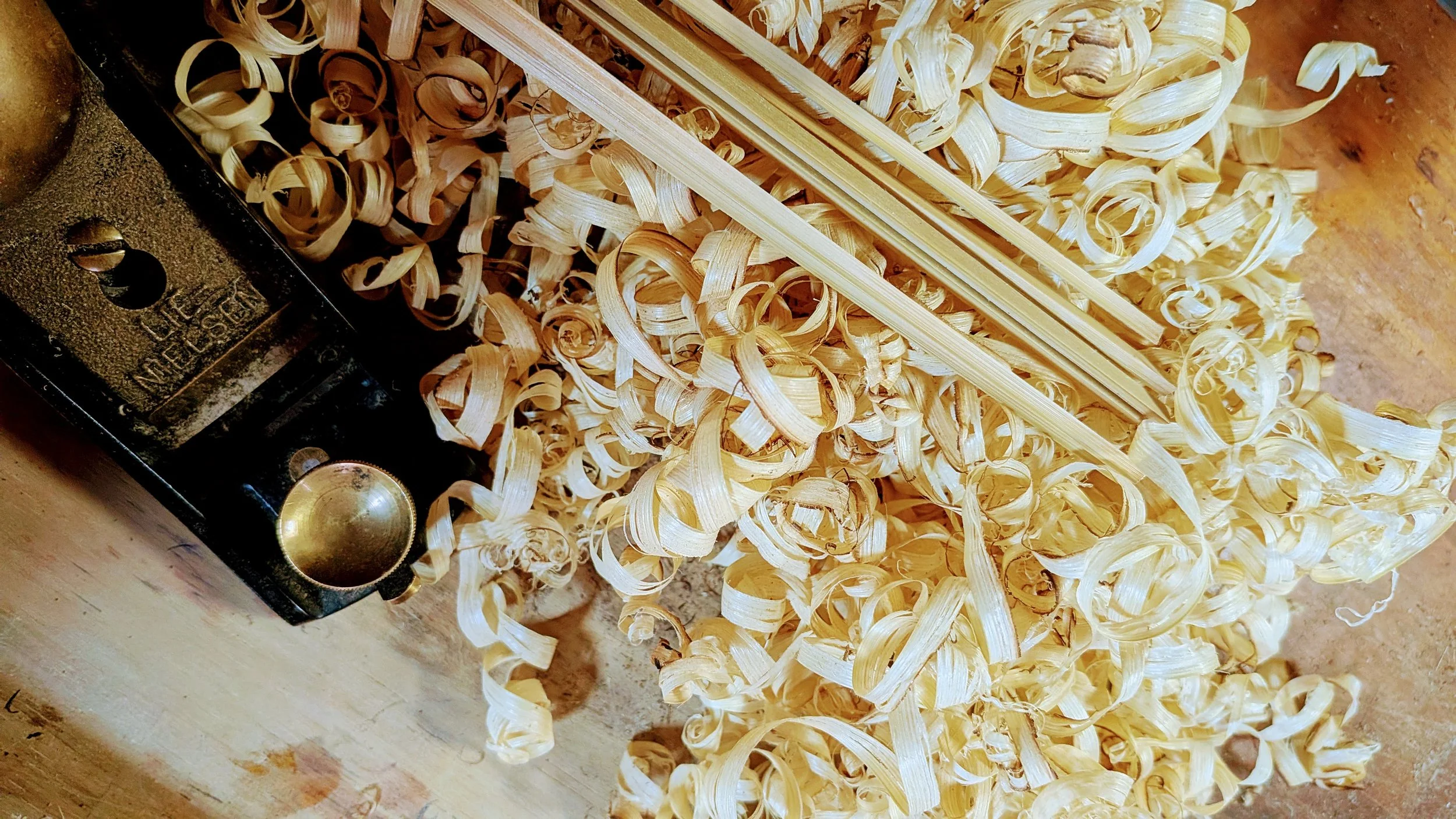
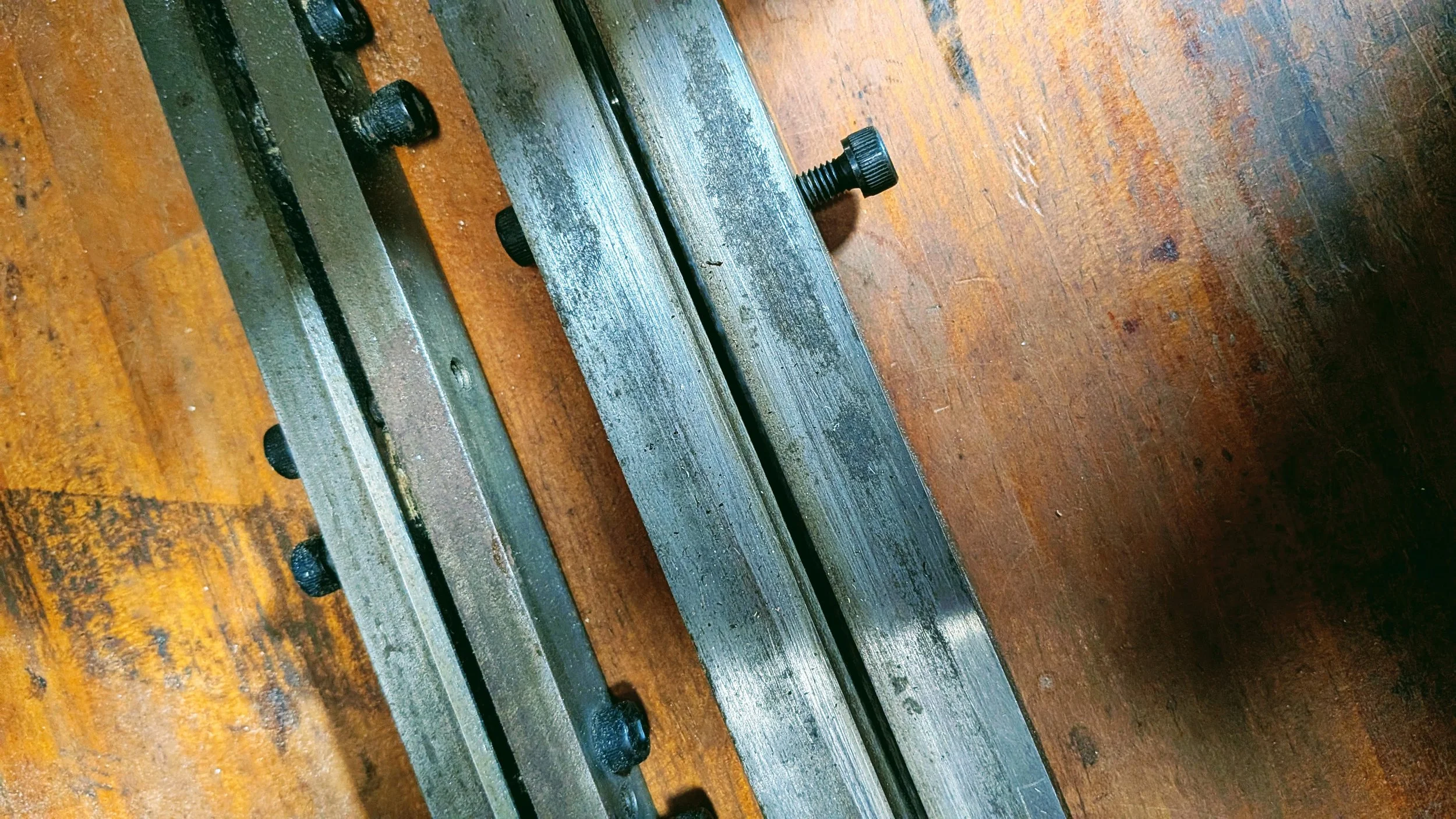
This planing form, which I have used and loved for 19 years, features a unique depth design with specifications found nowhere else in the world.
My thanks go to Mr. Yoichi Miura.

I have made one bamboo rod for each of these sheets of paper.
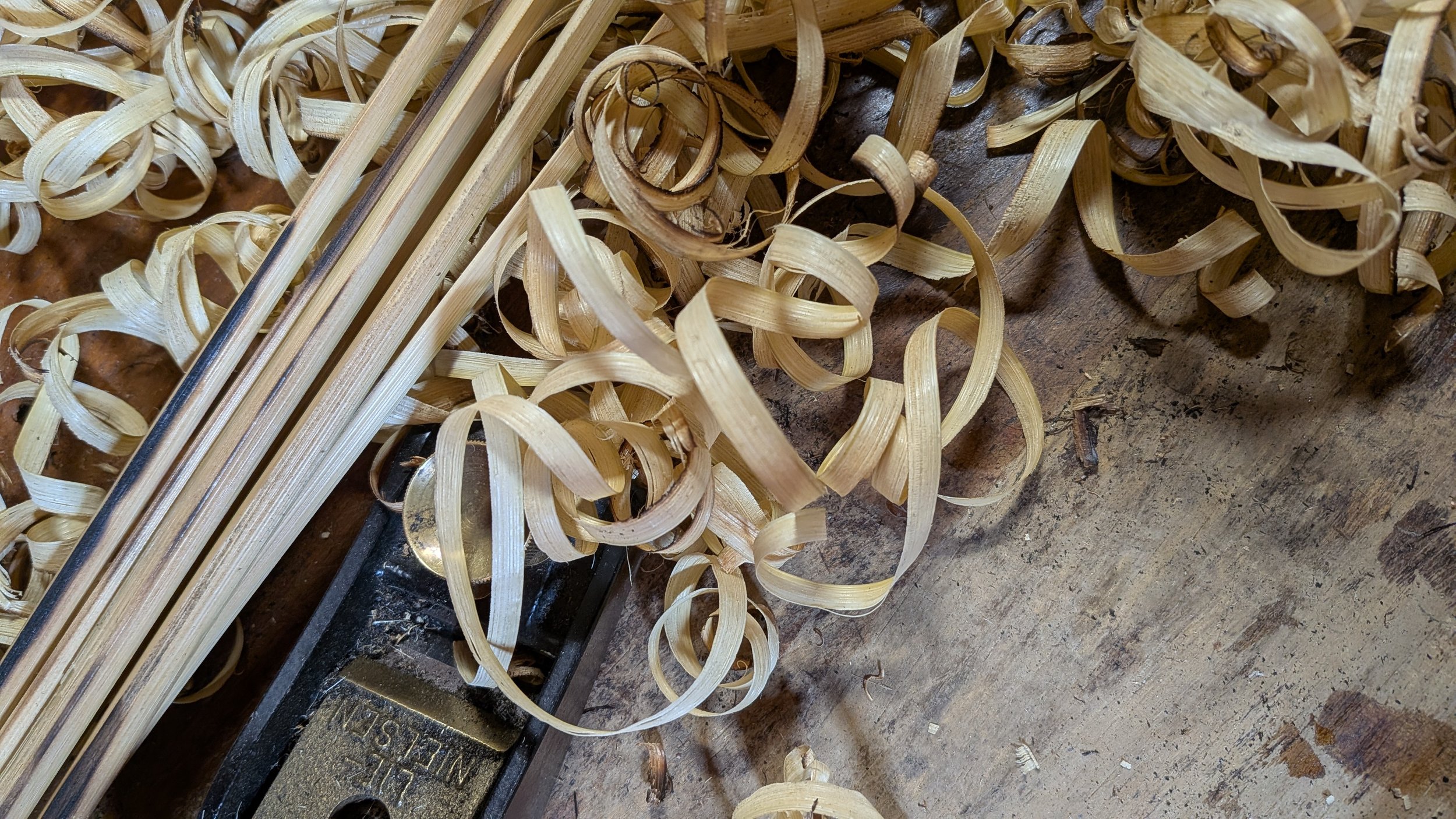
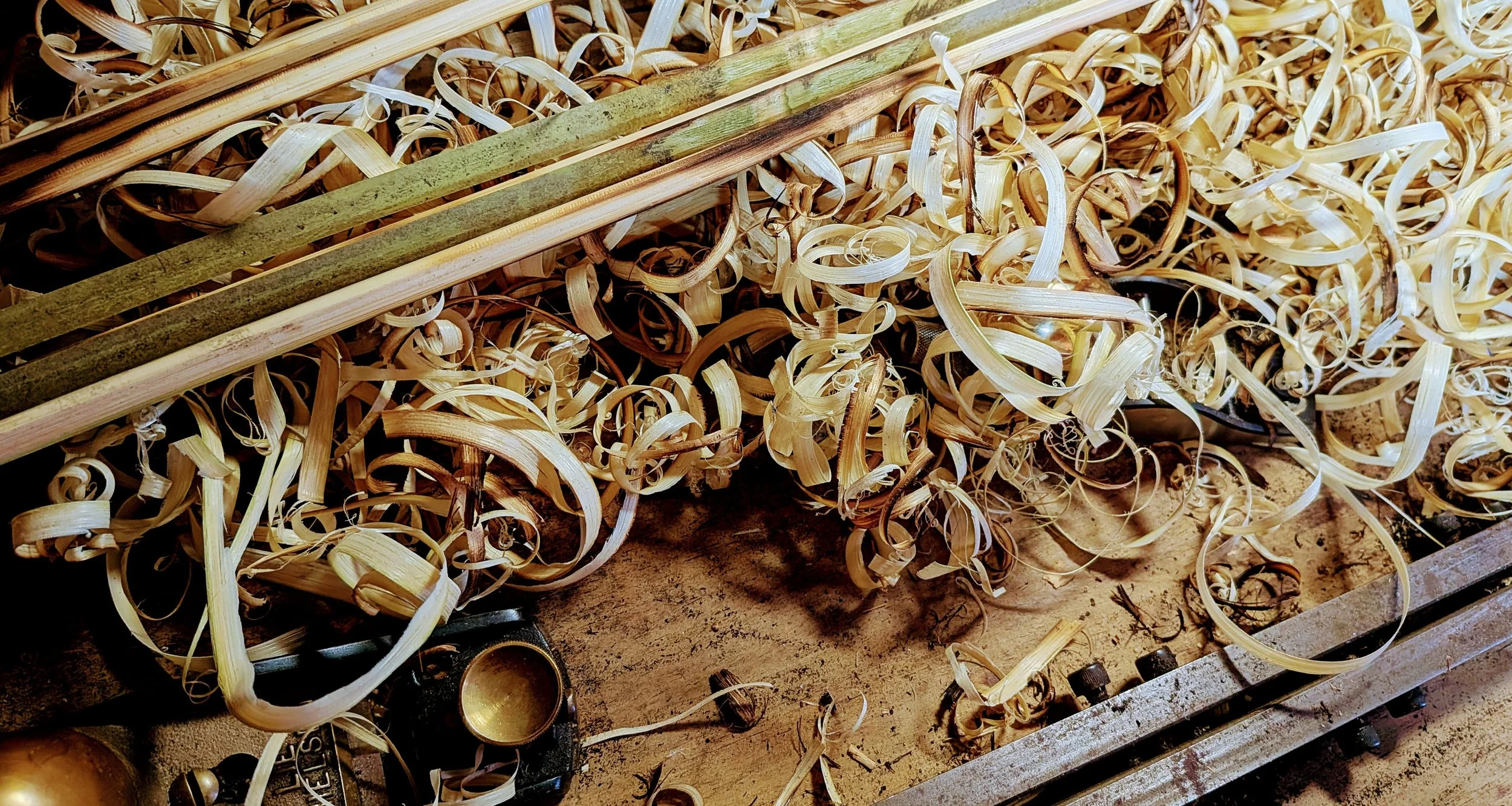
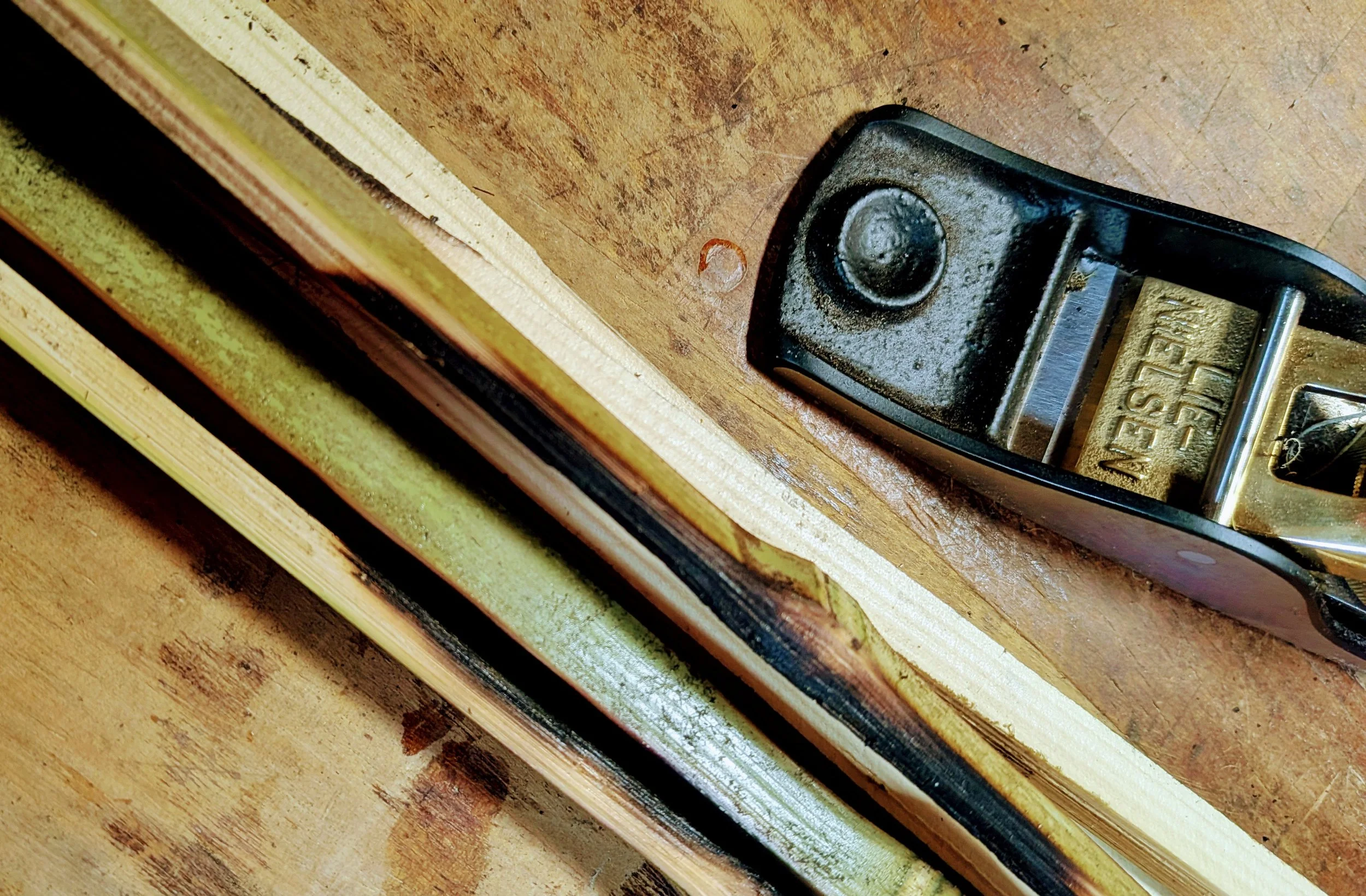
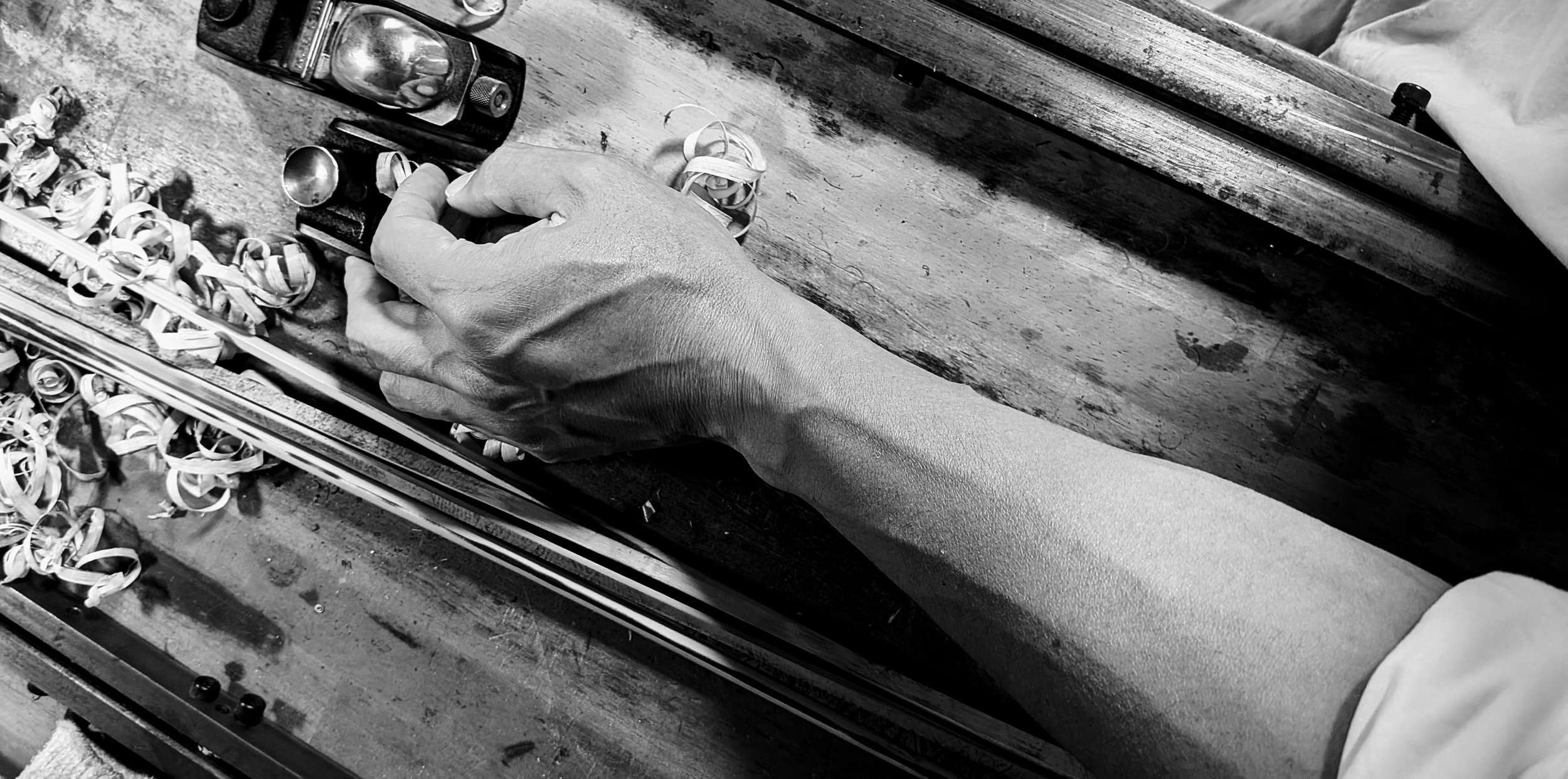
Planing cane is merely one step in the process.
Most of the effort goes into flattening the nodes and straightening the bamboo split.
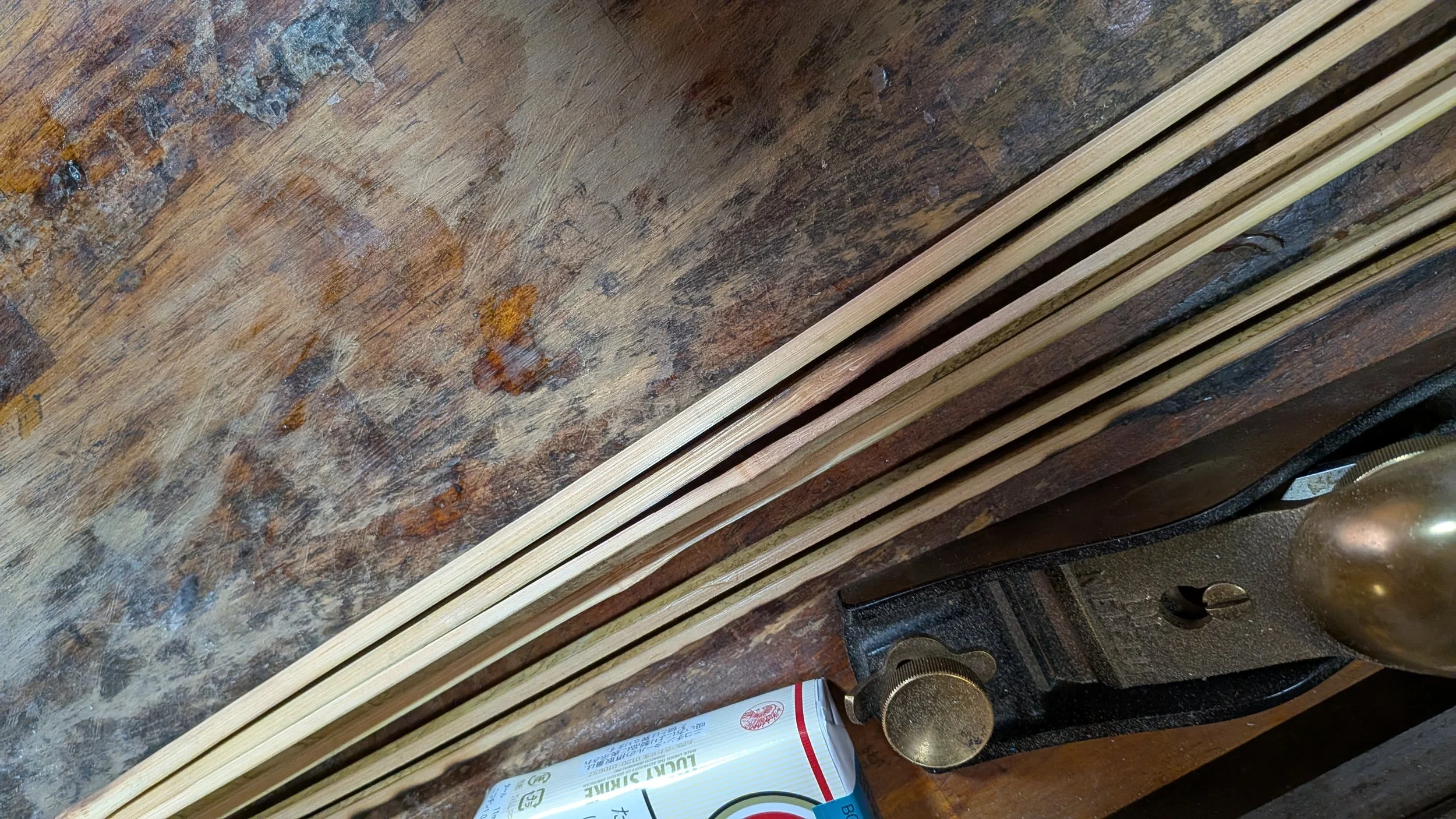
For me, crafting bamboo rods is life itself.